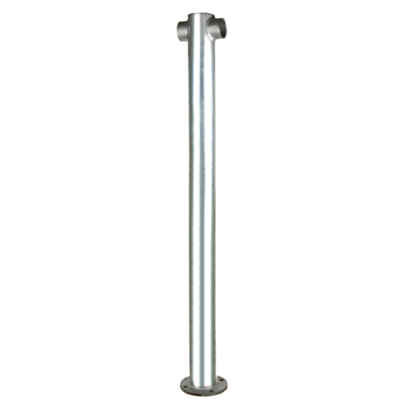
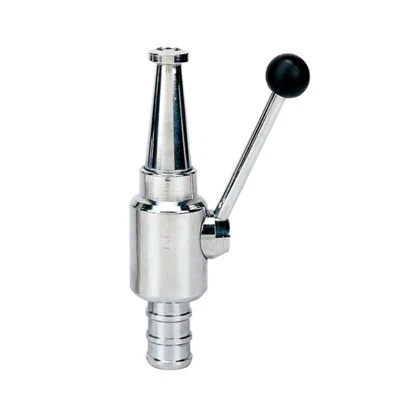
As a standpipes supplier, I've witnessed firsthand the challenges that come with protecting these crucial fire - fighting components from vandalism. Standpipes are an essential part of a building's fire protection system, providing a reliable water source for firefighters during emergencies. However, they are often vulnerable to malicious damage, which can compromise their functionality and put lives and property at risk. In this blog, I'll share some effective strategies for safeguarding standpipes from vandalism.
Physical Barriers
One of the most straightforward ways to protect standpipes is by installing physical barriers. These barriers can prevent unauthorized access and deter vandals from causing damage. For example, metal cages or enclosures can be placed around standpipes. These enclosures are made of sturdy materials that are difficult to break or tamper with. They can be locked, ensuring that only authorized personnel, such as firefighters or maintenance staff, can access the standpipes.
Another option is to use bollards or posts around the standpipes. These can prevent vehicles from accidentally or intentionally hitting the standpipes. Bollards are typically made of concrete or steel and are firmly anchored to the ground. They create a physical buffer zone around the standpipes, reducing the risk of damage from collisions.
Security Cameras
Installing security cameras in areas where standpipes are located is an effective way to monitor and deter vandalism. Cameras can capture any suspicious activity around the standpipes, and the footage can be used to identify and prosecute vandals. Modern security cameras are equipped with high - resolution lenses and night - vision capabilities, allowing for clear monitoring 24/7.
The presence of visible security cameras can also act as a deterrent. Vandals are less likely to target standpipes if they know they are being watched. Some cameras can be connected to an alarm system, which will notify security personnel or the local authorities if any suspicious activity is detected.
Regular Inspections and Maintenance
Regular inspections and maintenance are crucial for the protection of standpipes. By conducting routine checks, any signs of vandalism or damage can be detected early. Maintenance staff can look for signs such as broken valves, missing caps, or damage to the pipes themselves.


During inspections, it's important to ensure that all components of the standpipe system are in good working condition. This includes checking the pressure gauges, valves, and connections. Any issues should be addressed immediately to prevent further damage and ensure the standpipe's functionality during a fire emergency.
Public Awareness Campaigns
Educating the public about the importance of standpipes and the consequences of vandalism can also be an effective strategy. By raising awareness, people are more likely to respect these vital fire - fighting assets. Public awareness campaigns can be conducted through various channels, such as local newspapers, community meetings, and social media.
These campaigns can highlight the role of standpipes in protecting lives and property during a fire. They can also emphasize the legal consequences of vandalizing standpipes, which may include fines and imprisonment. By involving the community, we can create a sense of ownership and responsibility towards these important infrastructure components.
Advanced Locking Systems
Using advanced locking systems on standpipes can provide an additional layer of protection. Traditional locks can be easily picked or tampered with, but modern locking systems, such as electronic locks or key - card access systems, offer greater security.
Electronic locks can be programmed to allow access only to authorized personnel. They can also record access times and user information, providing a detailed audit trail. Key - card access systems work in a similar way, requiring a valid key card to unlock the standpipe. These advanced locking systems make it much more difficult for vandals to gain access to the standpipes.
Collaboration with Local Authorities
Collaborating with local authorities, such as the police and fire departments, can be beneficial in protecting standpipes from vandalism. The police can increase patrols in areas where standpipes are located, especially during high - risk periods. They can also respond quickly to reports of vandalism and take appropriate action against the perpetrators.
Fire departments can provide valuable input on the best practices for standpipe protection. They can also assist in training building owners and maintenance staff on how to properly maintain and protect standpipes. By working together, we can create a more secure environment for these critical fire - fighting assets.
Use of High - Quality Materials
When supplying standpipes, it's important to use high - quality materials. Standpipes made of durable materials, such as stainless steel or heavy - duty plastic, are more resistant to damage. They can withstand harsh weather conditions and physical impacts better than lower - quality materials.
Investing in high - quality standpipes not only reduces the risk of vandalism but also ensures their long - term functionality. High - quality standpipes are less likely to develop leaks or other issues, which can compromise their performance during a fire.
Monitoring and Alarm Systems
In addition to security cameras, monitoring and alarm systems can be installed on standpipes. These systems can detect changes in pressure, flow, or other parameters that may indicate damage or tampering. If an abnormal condition is detected, the system can send an alert to the building management or the local fire department.
Some monitoring systems can also be integrated with the building's overall fire - protection system. This allows for a coordinated response in case of a fire or vandalism incident. By continuously monitoring the standpipes, we can quickly identify and address any issues before they become serious problems.
Conclusion
Protecting standpipes from vandalism is a multi - faceted challenge that requires a combination of physical barriers, security measures, public awareness, and collaboration. As a standpipes supplier, I understand the importance of ensuring the integrity of these vital fire - fighting components. By implementing the strategies outlined in this blog, we can reduce the risk of vandalism and ensure that standpipes are ready to perform when needed.
If you're in the market for high - quality standpipes or other fire - fighting accessories, I invite you to explore our product range. We offer a variety of standpipes, including the Standpipe For Fire Hydrant and High Performance Fixed Fire Monitor. You can also find more information about our Standpipes on our website. If you have any questions or are interested in a purchase, please feel free to contact us for a detailed discussion.
References
- Fire Protection Handbook, National Fire Protection Association
- Building Codes and Standards related to Fire Protection, International Code Council