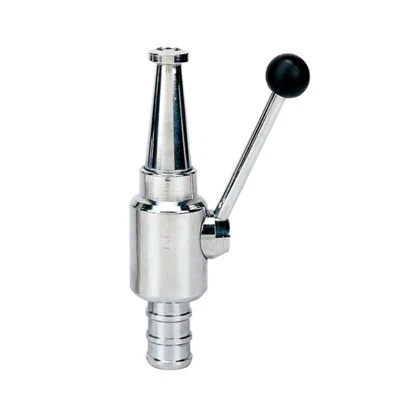
In electrical areas, ensuring the proper grounding of a hydrant valve is crucial for both safety and the effective operation of the entire fire - fighting system. As a hydrant valve supplier, I understand the significance of this process and am here to share some key steps and considerations to guarantee that hydrant valves are grounded correctly.
Understanding the Importance of Grounding in Electrical Areas
Before delving into the grounding process, it's essential to understand why grounding is so important in electrical areas. Electrical faults can occur due to various reasons, such as short - circuits, lightning strikes, or equipment malfunctions. When a hydrant valve is not properly grounded, these electrical faults can lead to dangerous situations. For instance, static electricity can build up on the valve, which may cause sparks. In an environment where there are flammable substances or gases, these sparks can trigger explosions or fires. Moreover, without proper grounding, electrical current may flow through the valve, posing a risk of electric shock to anyone who comes into contact with it.
Selecting the Right Hydrant Valve for Electrical Areas
As a supplier, we offer a variety of hydrant valves suitable for electrical areas, including Fire Hydrant Ball Valve, Fire Hydrant Gate Valve, and Pressure Regulating Valve. Each type of valve has its own characteristics, but when it comes to grounding, they all need to meet certain requirements.


The material of the valve is a critical factor. Valves made of conductive materials are generally better for grounding purposes. Metals such as brass or stainless steel are commonly used as they can effectively conduct electrical current to the ground. Additionally, the design of the valve should allow for easy connection to the grounding system. Some valves come with pre - drilled holes or grounding lugs, which facilitate the attachment of grounding wires.
Steps for Proper Grounding of a Hydrant Valve
Step 1: Assess the Electrical Environment
Before installing and grounding the hydrant valve, a thorough assessment of the electrical environment is necessary. Determine the level of electrical activity in the area, the presence of any electrical equipment nearby, and the potential for electrical interference. This assessment will help in choosing the appropriate grounding method and materials. For example, in areas with high electrical activity, a more robust grounding system may be required.
Step 2: Choose the Grounding Material
The grounding wire is a key component of the grounding system. It should be made of a highly conductive material, such as copper. Copper has excellent electrical conductivity and is resistant to corrosion, which ensures long - term reliability. The size of the grounding wire depends on the electrical load and the requirements of the local electrical code. In general, a larger wire diameter is needed for areas with higher electrical currents.
Step 3: Prepare the Valve for Grounding
If the hydrant valve does not have a pre - drilled hole or grounding lug, it may be necessary to create one. Use a drill with the appropriate bit size to make a hole in a suitable location on the valve body. The hole should be clean and free of any debris or burrs. After drilling, insert a grounding lug into the hole and secure it tightly using a nut and washer.
Step 4: Connect the Grounding Wire
Once the grounding lug is in place, connect one end of the grounding wire to the lug. Use a suitable connector, such as a crimp connector or a soldered joint, to ensure a secure and low - resistance connection. The other end of the grounding wire should be connected to a grounding electrode.
Step 5: Install the Grounding Electrode
The grounding electrode is the part of the grounding system that is in direct contact with the earth. There are several types of grounding electrodes available, such as ground rods, ground plates, and concrete - encased electrodes. The choice of electrode depends on the soil conditions and the electrical requirements of the area.
For example, if the soil is dry and has high resistivity, multiple ground rods may need to be installed in parallel to reduce the overall grounding resistance. The ground rod should be driven into the ground to a sufficient depth, usually at least 8 feet, to ensure good contact with the earth.
Step 6: Test the Grounding System
After the installation is complete, it is essential to test the grounding system to ensure its effectiveness. Use a grounding resistance tester to measure the resistance between the valve and the grounding electrode. The measured resistance should be within the acceptable range specified by the local electrical code. If the resistance is too high, additional measures may need to be taken, such as adding more ground rods or improving the connection between the grounding wire and the valve.
Maintenance of the Grounding System
Proper maintenance of the grounding system is crucial to ensure its long - term effectiveness. Regular inspections should be carried out to check for any signs of damage or corrosion on the grounding wire, grounding lug, and grounding electrode. If any damage is found, it should be repaired or replaced immediately.
In addition, the grounding resistance should be tested periodically to ensure that it remains within the acceptable range. Changes in soil conditions, such as drying or flooding, can affect the grounding resistance, so it's important to monitor it regularly.
Compliance with Standards and Regulations
When grounding hydrant valves in electrical areas, it is essential to comply with all relevant standards and regulations. These standards are in place to ensure the safety of the electrical system and the people who use it. Some of the common standards include the National Electrical Code (NEC) in the United States and the International Electrotechnical Commission (IEC) standards.
As a hydrant valve supplier, we ensure that our products meet all the necessary standards and can provide technical support to help customers comply with the regulations during the grounding process.
Contact Us for Procurement and Consultation
If you are in need of high - quality hydrant valves for your electrical areas and require assistance with proper grounding, we are here to help. Our team of experts can provide detailed product information, installation guidance, and support in ensuring that your hydrant valves are grounded correctly. We are committed to providing the best solutions for your fire - fighting needs. Whether you need a Fire Hydrant Ball Valve, Fire Hydrant Gate Valve, or Pressure Regulating Valve, feel free to contact us for procurement and further consultation.
References
- National Fire Protection Association (NFPA). NFPA 25: Standard for the Inspection, Testing, and Maintenance of Water - Based Fire Protection Systems.
- International Electrotechnical Commission (IEC). IEC 60364: Electrical Installations of Buildings.
- Underwriters Laboratories (UL). UL 262: Standard for Fire - Hydrant Valves.