Hey there! As a fire hydrant valve supplier, I've seen all sorts of questions about these essential pieces of equipment. One of the most common ones is, "What's the difference between a domestic and industrial fire hydrant valve?" Well, let's dive right in and break it down.
1. Usage Environment
First off, the usage environment is a major factor that sets domestic and industrial fire hydrant valves apart.
Domestic fire hydrant valves are mainly used in residential areas, like apartments, single - family homes, and small commercial buildings. These places usually have a relatively low fire risk compared to industrial settings. For example, in a typical apartment building, the fire might start from a kitchen accident, an electrical short - circuit in a room, or a small fire in a storage closet. The water pressure and flow requirements for these situations are not extremely high.
On the other hand, industrial fire hydrant valves are designed for industrial facilities such as factories, warehouses, and refineries. These places often deal with large amounts of flammable materials, high - voltage electrical equipment, and complex production processes. A fire in an industrial setting can spread rapidly and cause massive damage. For instance, a fire in a chemical factory could involve toxic substances and explosions, requiring a much larger volume of water at a higher pressure to extinguish the fire effectively.
2. Design and Construction
The design and construction of domestic and industrial fire hydrant valves also vary significantly.
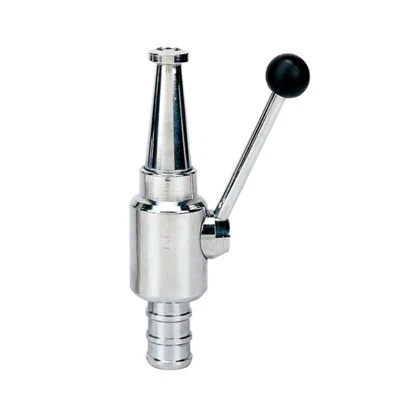
Domestic fire hydrant valves are generally smaller and more compact. They are often made of materials like brass or plastic, which are relatively lightweight and cost - effective. These valves are designed to be easy to install and operate by homeowners or building managers. For example, a common domestic fire hydrant valve might be a simple ball valve or a diaphragm valve. The DN65 Diaphragm Valve is a great example of a domestic - style valve. It's easy to control the water flow and is suitable for low - to medium - pressure applications in residential areas.
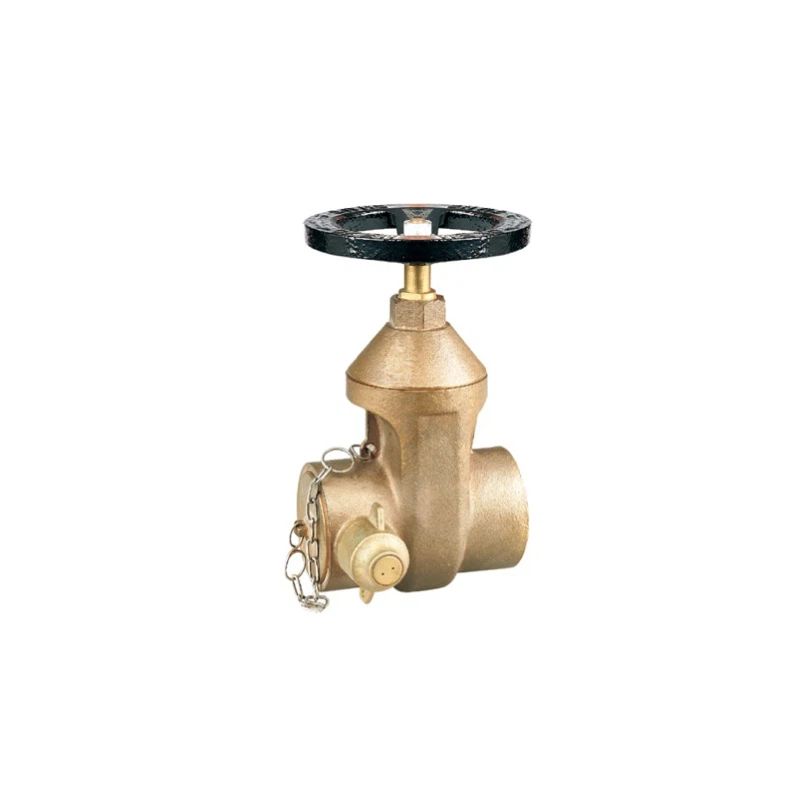
Industrial fire hydrant valves, however, are much larger and more robust. They are typically made of high - strength metals such as cast iron or stainless steel to withstand high pressures and harsh environments. These valves are often designed with complex mechanisms to ensure reliable operation under extreme conditions. For example, industrial valves may have multiple seals and gaskets to prevent leaks, and they may be equipped with heavy - duty actuators for remote or manual operation. The Bronze Landing Valve Oblique Type is a type of industrial - grade valve that is commonly used in large - scale fire - fighting systems.
3. Water Flow and Pressure
Water flow and pressure requirements are another key difference between domestic and industrial fire hydrant valves.
Domestic fire hydrant valves are designed to provide a relatively low water flow rate. The typical water flow for a domestic valve might range from 50 to 200 liters per minute, depending on the size of the building and the local fire codes. The water pressure is usually around 2 to 5 bar, which is sufficient to reach different parts of a residential building.
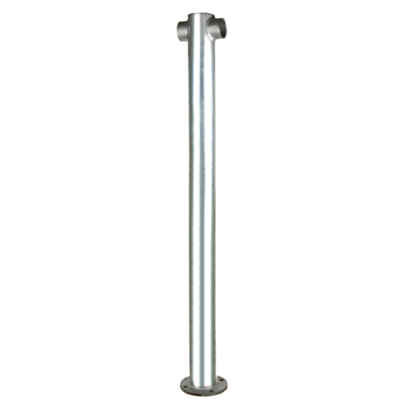
In contrast, industrial fire hydrant valves need to deliver a much higher water flow rate. In some industrial facilities, the water flow rate can exceed 1000 liters per minute or even more. The water pressure can also be much higher, often ranging from 5 to 15 bar or more, to ensure that the water can reach all areas of a large industrial building or extinguish a large - scale fire quickly. The Fire Valve With Flange Straight Type is designed to handle these high - flow and high - pressure requirements in industrial settings.

4. Maintenance and Safety
Maintenance and safety considerations are also different for domestic and industrial fire hydrant valves.
Domestic fire hydrant valves are relatively easy to maintain. Homeowners or building managers can perform basic maintenance tasks such as checking for leaks, lubricating moving parts, and ensuring that the valve is operating smoothly. Since the usage frequency is relatively low in residential areas, the wear and tear on these valves are also less severe.
Industrial fire hydrant valves, however, require more frequent and thorough maintenance. Industrial facilities usually have a dedicated maintenance team to regularly inspect, test, and repair these valves. Due to the high - pressure and high - flow operation, the valves are more likely to experience wear and tear, and any malfunction can have serious consequences. Safety features in industrial valves are also more advanced, such as pressure relief valves and emergency shut - off mechanisms to prevent over - pressurization and ensure the safety of the entire fire - fighting system.
5. Cost
Cost is another aspect where domestic and industrial fire hydrant valves differ.
Domestic fire hydrant valves are generally more affordable. The materials used in their construction are less expensive, and the manufacturing process is relatively simple. This makes them accessible to homeowners and small - scale building owners.
Industrial fire hydrant valves, on the other hand, are more costly. The high - strength materials, complex design, and advanced safety features all contribute to the higher price. However, considering the importance of fire protection in industrial facilities, the investment in these valves is well - worth it.
Why Choose Our Fire Hydrant Valves?
As a fire hydrant valve supplier, we understand the unique requirements of both domestic and industrial customers. We offer a wide range of high - quality fire hydrant valves that meet the highest industry standards. Whether you need a domestic - style valve for your home or an industrial - grade valve for your factory, we've got you covered.
Our valves are carefully designed and manufactured to ensure reliable performance, durability, and safety. We use only the best materials and the latest manufacturing techniques to produce valves that can withstand the test of time. And our team of experts is always ready to provide you with professional advice and support to help you choose the right valve for your specific needs.
If you're interested in purchasing fire hydrant valves, whether it's for a domestic or industrial application, don't hesitate to get in touch with us. We're eager to discuss your requirements and provide you with a customized solution. Let's work together to ensure the safety of your property and the people in it.
References
- National Fire Protection Association (NFPA) Standards
- International Building Code (IBC) for Fire Protection Requirements
- Industry reports on fire - fighting equipment and their applications