


Are fire dividers suitable for historical buildings?
Hey there! As a fire divider supplier, I often get asked whether fire dividers are a good fit for historical buildings. It's a question that doesn't have a straightforward answer, so today, I'm going to break it down and share my thoughts.
The Importance of Fire Safety in Historical Buildings
Historical buildings are like time capsules, holding stories and memories from the past. They're not just structures; they're cultural heritage that we need to protect. But let's face it, these old buildings can be a fire hazard. Many of them have outdated wiring, flammable materials, and limited fire - prevention measures. A fire in a historical building can be a disaster, destroying centuries - old artifacts and architectural marvels in an instant.
That's where fire dividers come in. Fire dividers are designed to limit the spread of fire and smoke, giving people more time to evacuate and firefighters a better chance to control the blaze. They can be a crucial part of any fire - safety plan, but when it comes to historical buildings, things get a bit tricky.
Challenges of Installing Fire Dividers in Historical Buildings
One of the biggest challenges is aesthetics. Historical buildings often have unique architectural features, and installing fire dividers that blend in can be a real headache. No one wants to attach big, clunky metal panels to a beautiful masonry wall or a delicate wooden facade. It's important to find fire dividers that are not only effective but also visually appealing.
Another challenge is preservation. Historical buildings are protected by strict regulations to ensure their authenticity. Any modifications need to be carefully planned and approved. When installing fire dividers, we need to make sure we're not causing any damage to the existing structure. For example, drilling holes for mounting brackets might weaken the masonry or damage historic plaster.
Potential Solutions
Thankfully, there are some solutions to these challenges. Firstly, there are now fire dividers available in a variety of designs and materials. Some are made to look like traditional architectural elements, such as wood panels or decorative screens. These can be a great option for historical buildings, as they can blend in seamlessly with the existing decor.
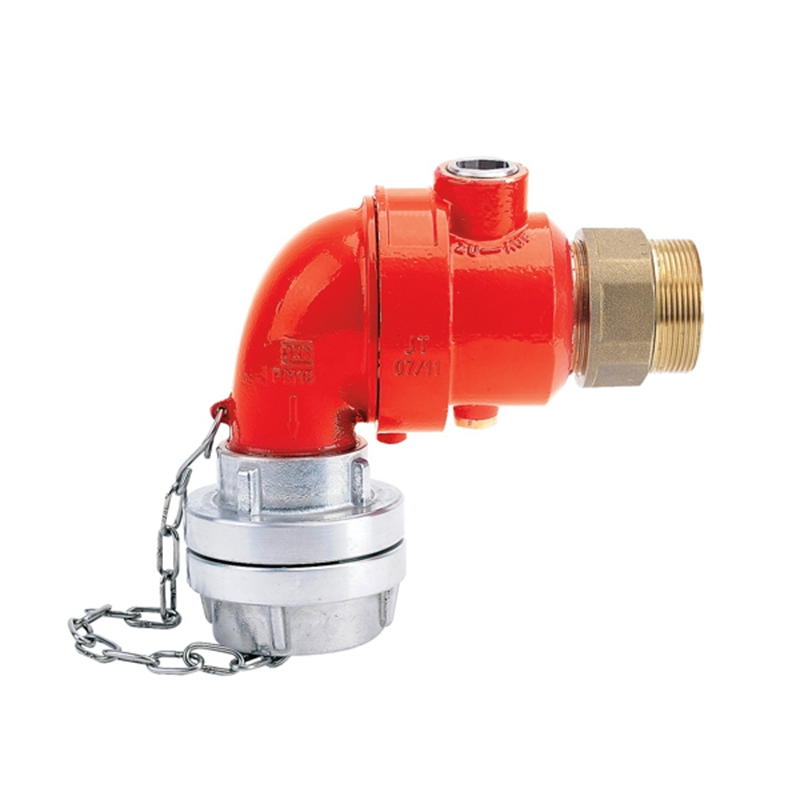

For the preservation issue, modern installation techniques are less invasive. For instance, some fire dividers can be attached using adhesives instead of drilling holes. This reduces the risk of damaging the building's structure. Also, working with a team of conservation experts and architects can ensure that the installation process meets all the preservation requirements.
Our Product Range
At our company, we offer a wide range of fire dividers that are suitable for different types of buildings, including historical ones. Let me introduce you to some of our products.
We have the 3 Ways Divider with Shut - off Valve. This is a great product for situations where you need to control the flow of water or other fire - fighting agents. It allows you to split the flow into three directions and shut off each direction independently.
The Filling Valve is another important product. It's used to fill the fire - fighting system, such as a sprinkler system or a dry riser. Our filling valves are designed to be reliable and easy to operate.
And then there's the Valve For Dry Riser. Dry risers are essential for high - rise or large historical buildings. This valve helps to control the water flow in the dry riser system, ensuring that it works effectively during a fire.
Case Studies
Let me share a couple of case studies to illustrate how our fire dividers have been used in historical buildings.
There was an old church in a small town. It was built in the 18th century and had beautiful stained - glass windows and ornate woodwork. The church authorities were worried about fire safety but didn't want to ruin the aesthetics of the building. We installed a set of fire dividers that were designed to look like wooden partitions. They were painted to match the existing woodwork, and you could hardly tell they were fire - safety devices. During a small electrical fire in the basement a few months later, the fire dividers worked perfectly, containing the fire and preventing it from spreading to the main sanctuary.
Another case was a historical mansion. The owners wanted to upgrade the fire - safety system without causing any damage to the original structure. We used adhesive - based installation methods for the fire dividers. This way, we didn't have to drill any holes in the walls or floors. The fire dividers were also made of a lightweight material that didn't add too much stress to the old building. Since the installation, the mansion has had an enhanced level of fire protection without compromising its historical integrity.
Making the Decision
So, are fire dividers suitable for historical buildings? The answer is yes, but with some careful planning and the right products. If you're a curator, an owner, or a preservationist of a historical building, it's important to evaluate your fire - safety needs. Consider the architecture, the regulations, and the budget. And don't forget, working with an experienced supplier like us can make the whole process a lot easier.
We have the knowledge and the products to help you find the perfect fire - divider solution for your historical building. Whether you need a simple one - way divider or a complex system with multiple valves, we've got you covered.
If you're interested in learning more about our fire dividers or discussing a potential project for your historical building, don't hesitate to get in touch. We'd love to have a chat and help you make your building safer without sacrificing its historical charm.
References
- National Fire Protection Association (NFPA). "NFPA Fire Protection Handbook."
- International Council on Monuments and Sites (ICOMOS). "Charter for the Conservation of Historic Buildings."
This blog post not only explores whether fire dividers are suitable for historical buildings but also shows off the products from the supplier's range. It provides real - world examples and a call to action for potential customers to reach out for more information. The references give credibility to the information presented.


