


As a hydrant valve supplier, I understand the critical importance of protecting hydrant valves from physical damage. Hydrant valves are essential components of fire protection systems, and any damage to them can compromise their functionality, potentially putting lives and property at risk. In this blog post, I will share some practical tips on how to protect hydrant valves from physical damage.
Understanding the Risks
Before we delve into the protection methods, it's crucial to understand the common causes of physical damage to hydrant valves. These include:
- Vehicle Collisions: Hydrant valves located near roads or parking areas are at risk of being hit by vehicles. Even a minor collision can cause significant damage to the valve, leading to leaks or complete failure.
- Vandalism: Unfortunately, hydrant valves are sometimes targeted by vandals who may try to damage them for various reasons. This can include breaking the valve handle, tampering with the valve mechanism, or causing other forms of physical damage.
- Weather Conditions: Extreme weather conditions, such as freezing temperatures, heavy rain, or strong winds, can also cause damage to hydrant valves. Freezing temperatures can cause the water inside the valve to freeze and expand, leading to cracks or other forms of damage. Heavy rain can cause corrosion and rust, while strong winds can cause the valve to vibrate or move, potentially leading to damage.
- Improper Installation or Maintenance: Incorrect installation or lack of proper maintenance can also contribute to physical damage to hydrant valves. If the valve is not installed correctly, it may be more susceptible to damage from external forces. Similarly, if the valve is not maintained regularly, it may develop problems over time that can lead to physical damage.
Protection Methods
Now that we understand the risks, let's explore some effective methods for protecting hydrant valves from physical damage.
1. Physical Barriers
One of the most effective ways to protect hydrant valves from vehicle collisions is to install physical barriers around them. These barriers can be made of various materials, such as concrete, steel, or plastic, and can be designed to absorb the impact of a vehicle collision. Physical barriers can also help to prevent vandalism by making it more difficult for vandals to access the valve.
2. Valve Covers
Valve covers are another effective way to protect hydrant valves from physical damage. Valve covers can be made of various materials, such as metal, plastic, or rubber, and can be designed to fit over the valve to protect it from the elements and prevent vandalism. Valve covers can also help to prevent freezing by insulating the valve and keeping the water inside from freezing.
3. Regular Inspections and Maintenance
Regular inspections and maintenance are essential for ensuring the proper functioning of hydrant valves and preventing physical damage. Inspections should be conducted at least once a year, and more frequently in areas with harsh weather conditions or high traffic. During inspections, the valve should be checked for leaks, damage, and proper operation. Any issues should be addressed immediately to prevent further damage.
4. Training and Education
Proper training and education are also important for protecting hydrant valves from physical damage. Firefighters, maintenance personnel, and other relevant stakeholders should be trained on the proper use and maintenance of hydrant valves. This can help to prevent damage caused by improper use or maintenance.
5. Use of High-Quality Valves
Using high-quality hydrant valves is another important factor in protecting them from physical damage. High-quality valves are designed to withstand the rigors of daily use and are less likely to be damaged by external forces. When selecting hydrant valves, it's important to choose valves that are made from high-quality materials and are designed to meet or exceed industry standards.
Our Products
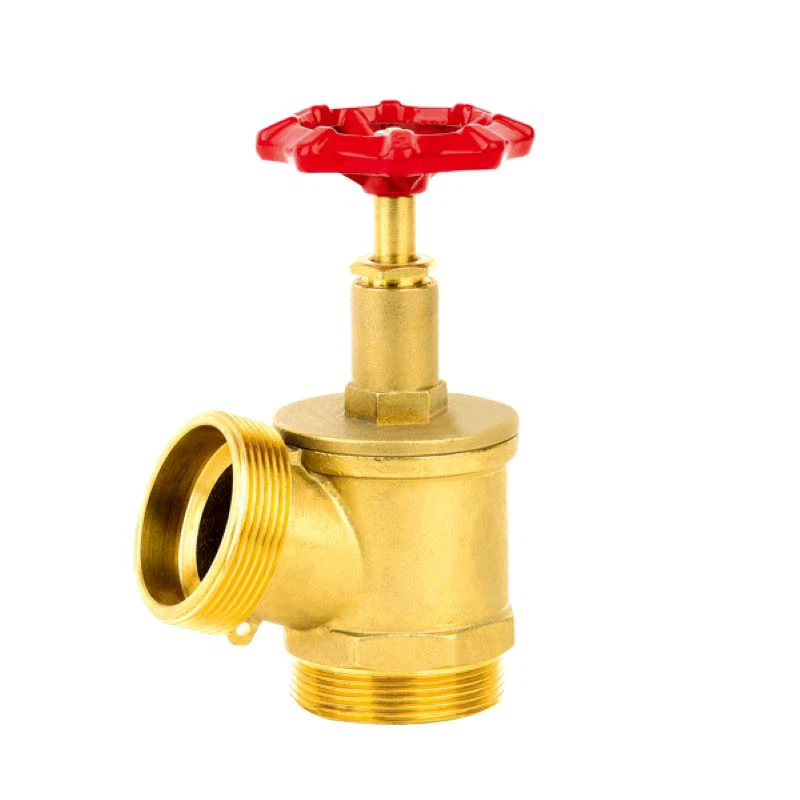
As a hydrant valve supplier, we offer a wide range of high-quality hydrant valves that are designed to provide reliable protection against fire. Our products include Fire Hydrant Landing Valve DN50/DN65, Landing Valve (BS336), and Landing Valve For Fire Hydrant Systems. These valves are made from high-quality materials and are designed to meet or exceed industry standards.

Conclusion
Protecting hydrant valves from physical damage is essential for ensuring the proper functioning of fire protection systems. By understanding the risks and implementing effective protection methods, we can help to prevent damage to hydrant valves and ensure that they are ready to perform when needed. If you have any questions or need further information about our hydrant valves, please feel free to contact us. We are always happy to help.
References
- NFPA 24: Standard for the Installation of Private Fire Service Mains and Their Appurtenances
- ASTM F1963: Standard Specification for Dry Barrel Fire Hydrants
- UL 262: Standard for Fire Hydrants


