


Hey there! As a fire hydrant valve supplier, I've seen firsthand the importance of safety when dealing with these crucial components. Fire hydrant valves are vital for firefighting operations, and handling them correctly is essential to ensure the safety of everyone involved. In this blog, I'll share some key safety precautions you should take when dealing with fire hydrant valves.
Understanding the Basics
Before we dive into the safety precautions, let's quickly go over what fire hydrant valves are and how they work. Fire hydrant valves are used to control the flow of water from a fire hydrant. They come in different types, such as Horizontal Fire Hydrant Landing Valve, BS Landing Valve Oblique Type, and DN65 Diaphragm Valve. Each type has its own unique features and functions, but they all serve the same purpose: to provide a reliable source of water for firefighting.
Safety Precautions
1. Wear Appropriate Personal Protective Equipment (PPE)
When working with fire hydrant valves, it's crucial to wear the right PPE. This includes safety goggles to protect your eyes from any debris or water splashes, gloves to protect your hands from sharp edges and hot surfaces, and sturdy footwear to prevent foot injuries. Additionally, if you're working in an area with potential exposure to hazardous chemicals or fumes, you may need to wear a respirator.
2. Inspect the Valve Before Use
Before using a fire hydrant valve, it's important to inspect it for any signs of damage or wear. Check for leaks, cracks, or any other visible defects. Make sure the valve is in good working condition and that all the components are properly installed. If you notice any issues, do not use the valve and contact a qualified professional for repairs.
3. Follow the Manufacturer's Instructions
Each fire hydrant valve comes with specific instructions from the manufacturer. It's important to read and follow these instructions carefully to ensure proper installation, operation, and maintenance. The manufacturer's instructions will provide valuable information on how to open and close the valve, how to adjust the flow rate, and how to perform routine maintenance.
4. Use the Right Tools
When working with fire hydrant valves, it's important to use the right tools for the job. Using the wrong tools can damage the valve or cause injury. Make sure you have the appropriate wrenches, pliers, and other tools on hand before you start working.
5. Be Aware of the Surroundings
When working with fire hydrant valves, it's important to be aware of your surroundings. Make sure there are no obstacles or hazards in the area that could cause you to trip or fall. If you're working near traffic, make sure you have proper traffic control measures in place to protect yourself and others.
6. Do Not Over-Tighten the Valve
When opening or closing a fire hydrant valve, it's important not to over-tighten it. Over-tightening can damage the valve or cause it to leak. Use the appropriate amount of force to open or close the valve, and stop when you feel resistance.
7. Test the Valve Regularly
To ensure the reliability of the fire hydrant valve, it's important to test it regularly. This can be done by performing a flow test to check the water pressure and flow rate. Make sure to follow the manufacturer's instructions for testing the valve, and keep a record of the test results.
8. Train Your Staff
If you have employees who work with fire hydrant valves, it's important to provide them with proper training. Make sure they understand the safety precautions and procedures for working with the valves, and that they know how to use the appropriate tools and equipment. Regular training and refresher courses can help ensure that your staff is prepared to handle any situation.
Conclusion
In conclusion, safety is of the utmost importance when dealing with fire hydrant valves. By following these safety precautions, you can help ensure the safety of yourself and others, and prevent damage to the valves and surrounding equipment. Remember to wear appropriate PPE, inspect the valve before use, follow the manufacturer's instructions, use the right tools, be aware of your surroundings, do not over-tighten the valve, test the valve regularly, and train your staff.

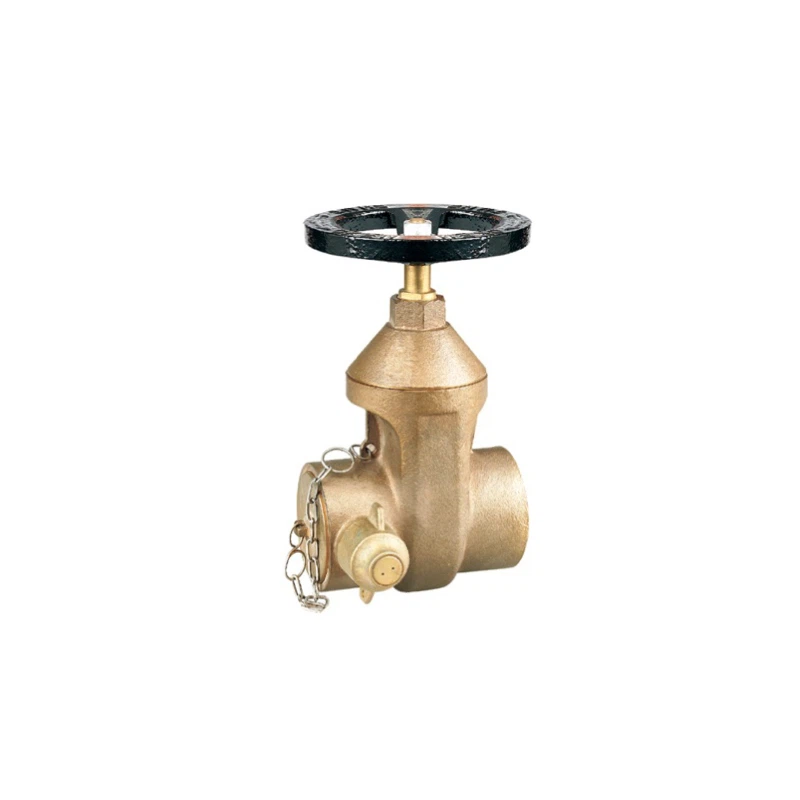
If you're in the market for high-quality fire hydrant valves, look no further. As a trusted fire hydrant valve supplier, we offer a wide range of valves to meet your needs. Whether you need a Horizontal Fire Hydrant Landing Valve, BS Landing Valve Oblique Type, or DN65 Diaphragm Valve, we've got you covered. Contact us today to discuss your requirements and let's work together to ensure the safety of your property and community.
References
- NFPA 24: Standard for the Installation of Private Fire Service Mains and Their Appurtenances
- OSHA: Occupational Safety and Health Administration
- Manufacturer's instructions for fire hydrant valves


