


As a trusted supplier of small fire extinguishers, I'm often asked about the discharge time of these essential safety devices. Understanding the discharge time of a small fire extinguisher is crucial for anyone looking to protect their property, assets, and most importantly, the lives of people in the vicinity. In this blog post, I'll delve into the factors that influence the discharge time of small fire extinguishers, why it matters, and how you can make an informed decision when choosing the right one for your needs.
Understanding Discharge Time
The discharge time of a fire extinguisher refers to the duration for which the fire - fighting agent can be expelled from the extinguisher once the operating handle is activated. It is typically measured in seconds and can vary significantly depending on several factors.
Factors Affecting Discharge Time
1. Extinguisher Size
One of the most significant factors influencing discharge time is the size of the fire extinguisher. Smaller fire extinguishers, as the name suggests, have a smaller capacity of the extinguishing agent. For example, a 4 Litre Fire Extinguisher will generally have a shorter discharge time compared to a 9 Litre Fire Extinguisher. A smaller volume of the extinguishing agent means that there is less material to be expelled, and thus, the discharge time is reduced.
2. Type of Extinguishing Agent
Different types of extinguishing agents have different flow characteristics and densities. For instance, a Foam Extinguisher may have a different discharge time compared to a dry chemical or carbon dioxide extinguisher. Foam extinguishers produce a thick, foamy substance that smothers the fire by cutting off its oxygen supply. The viscosity of the foam can affect how quickly it can be expelled from the extinguisher, potentially resulting in a different discharge time compared to other types.
3. Pressure
The pressure inside the fire extinguisher plays a vital role in determining the discharge time. Higher pressure will force the extinguishing agent out at a faster rate, leading to a shorter discharge time. Conversely, lower pressure will result in a slower expulsion of the agent and a longer discharge time. However, the pressure is carefully calibrated during the manufacturing process to ensure that the extinguisher operates effectively within a reasonable discharge time frame.
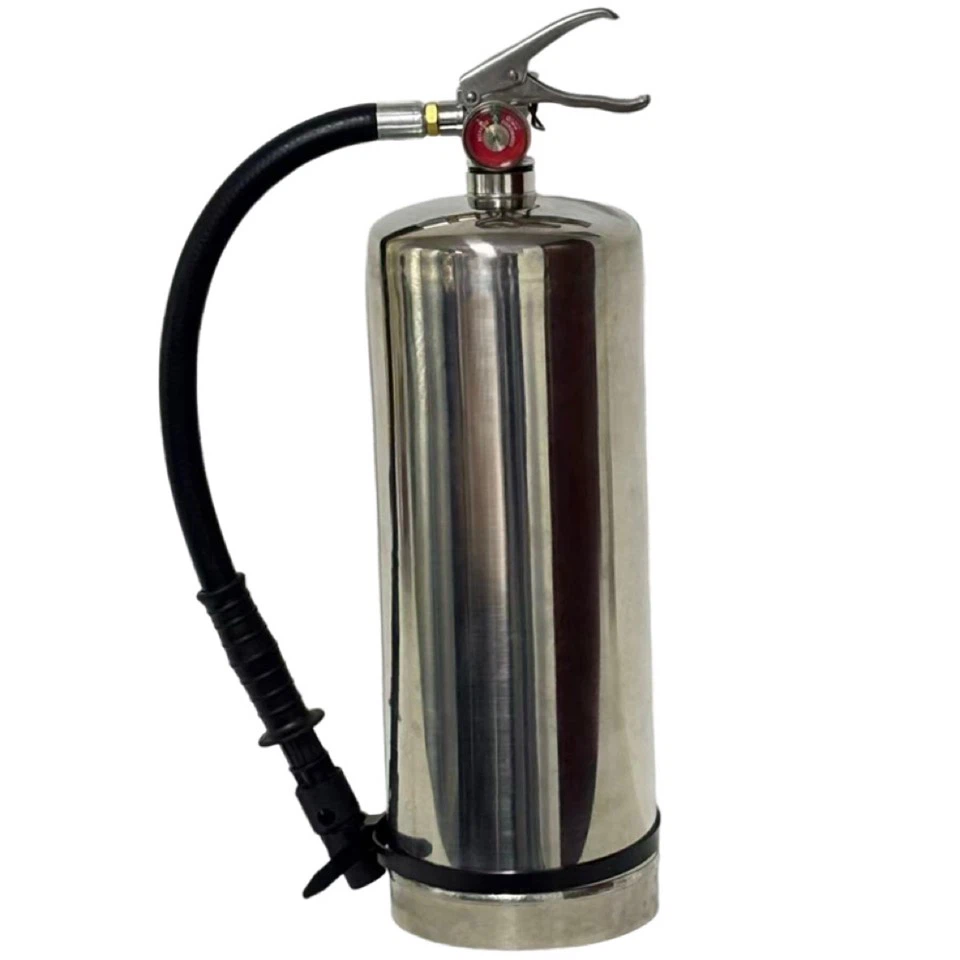
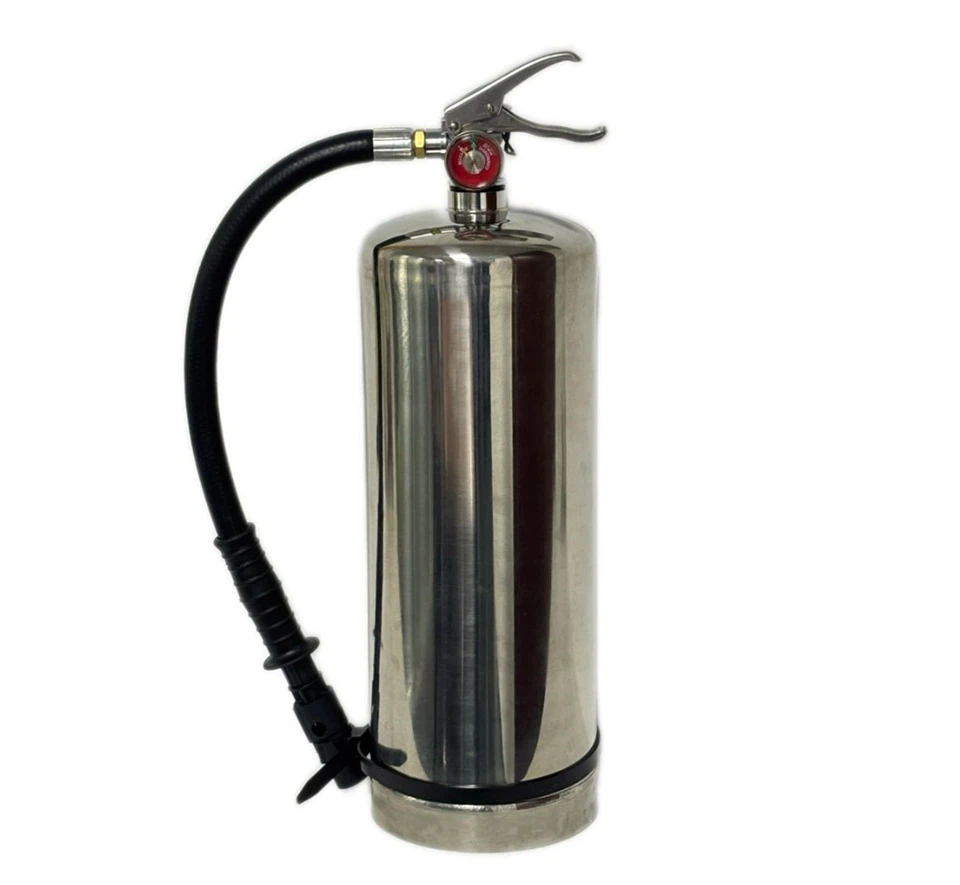
4. Nozzle Design
The design of the nozzle can also impact the discharge time. A wider nozzle may allow the extinguishing agent to be released more quickly, reducing the discharge time. On the other hand, a narrower nozzle may restrict the flow, resulting in a longer discharge time. The nozzle design is often optimized to provide an appropriate balance between the rate of discharge and the coverage area of the extinguishing agent.
Typical Discharge Times for Small Fire Extinguishers
Small fire extinguishers, which are commonly used in homes, offices, and small businesses, typically have a discharge time ranging from 8 to 25 seconds. A 2 - 3 litre dry chemical fire extinguisher may have a discharge time of around 8 - 12 seconds. This relatively short time is due to its smaller capacity and the fast - flowing nature of the dry chemical powder.
A 4 Litre Fire Extinguisher, whether it's a foam or dry chemical type, usually has a discharge time between 12 - 18 seconds. This provides users with a bit more time to tackle a small fire compared to a 2 - 3 litre extinguisher.
A 9 Litre Fire Extinguisher can have a discharge time of 18 - 25 seconds. The larger capacity allows for a more extended period of fire - fighting, making it suitable for slightly larger fires or areas where more protection is required.
Why Discharge Time Matters
1. Fire Suppression
The discharge time is directly related to the ability of the fire extinguisher to suppress a fire. If the discharge time is too short, the user may not be able to apply enough of the extinguishing agent to extinguish the fire completely. This could lead to the fire re - igniting, putting lives and property at risk.
2. User Safety
A longer discharge time gives the user more time to safely operate the fire extinguisher and move away from the fire. In a high - stress situation such as a fire, having a few extra seconds can make a significant difference in ensuring the user's safety.
3. Fire Size and Type
The size and type of the fire also determine the importance of the discharge time. For a small, incipient fire, a shorter discharge time may be sufficient. However, for larger fires or fires involving flammable liquids, a longer discharge time is often necessary to extinguish the fire effectively.
Choosing the Right Discharge Time for Your Needs
When selecting a small fire extinguisher, it's essential to consider the specific requirements of your environment. If you are installing a fire extinguisher in a small office or a home, a 4 Litre Fire Extinguisher with a 12 - 18 - second discharge time may be sufficient. These areas typically have a lower risk of large - scale fires, and a smaller extinguisher is easier to handle.
For larger commercial spaces, such as warehouses or factories, a 9 Litre Fire Extinguisher with a longer discharge time may be more appropriate. These areas are more likely to experience larger fires, and the additional extinguishing agent and longer discharge time can provide better protection.
Maintenance and Discharge Time
Regular maintenance of fire extinguishers is crucial to ensure that the discharge time remains consistent. Over time, the pressure inside the extinguisher can decrease, the valve may become clogged, or the extinguishing agent may degrade. These issues can all affect the discharge time and the overall effectiveness of the fire extinguisher.
It's recommended to have your fire extinguishers inspected and maintained by a qualified professional at least once a year. This will help to identify any potential problems and ensure that the extinguisher is in good working condition when you need it most.
Conclusion
The discharge time of a small fire extinguisher is a critical factor that can significantly impact its effectiveness in suppressing fires and protecting lives and property. By understanding the factors that influence discharge time, such as size, type of extinguishing agent, pressure, and nozzle design, you can make an informed decision when choosing the right fire extinguisher for your needs.
If you're in the market for high - quality small fire extinguishers, we're here to help. We offer a wide range of fire extinguishers, including 4 Litre Fire Extinguishers and 9 Litre Fire Extinguishers, with various discharge times to suit different applications. Contact us to start a discussion about your fire safety requirements and let's work together to find the best solutions for you.
References
- NFPA 10: Standard for Portable Fire Extinguishers
- Fire Equipment Manufacturers' Association (FEMA) Guidelines
- Local Fire Safety Codes and Regulations


