


As a fire hydrant valve supplier, I've been asked about the function of packing in a fire hydrant valve quite a bit. So, I thought I'd write this blog to share some insights on what it does and why it's so important.
First off, let's talk about what packing is in the context of a fire hydrant valve. Packing is basically a sealing material that's used to prevent leaks around the valve stem. You know, the part that you turn to open or close the valve. Without proper packing, water could seep out around the stem, which would not only waste water but also reduce the effectiveness of the fire hydrant valve.
One of the main functions of the packing is to create a tight seal. When the valve is in operation, there's a lot of pressure inside the hydrant. The packing helps to contain this pressure and stop water from leaking out. It's like a little barrier that keeps everything where it's supposed to be. Think of it as a gasket in a car engine. If the gasket isn't working right, oil or coolant can leak out, and the engine won't run properly. Similarly, if the packing in a fire hydrant valve fails, the valve won't work as it should.
Another important function is to protect the valve stem. The stem is constantly moving as you open and close the valve. Over time, this movement can cause wear and tear. The packing acts as a buffer between the stem and the surrounding parts of the valve. It reduces friction and helps to prevent damage to the stem. This is crucial because a damaged stem can lead to the valve not closing properly, which is a big problem when you're dealing with a fire situation.
The packing also helps to keep contaminants out. In a fire hydrant system, there are all sorts of things that could get into the valve, like dirt, sand, or debris. If these contaminants get inside the valve and reach the stem, they can cause corrosion and other issues. The packing acts as a filter, preventing these unwanted particles from entering the valve and causing damage.
Now, let's take a look at some different types of fire hydrant valves and how the packing works in each of them.
Hydrant Valve
The Hydrant Valve is a common type of valve used in fire hydrant systems. In this valve, the packing is placed around the valve stem to create a seal. When the valve is opened, water flows through the hydrant, and the packing ensures that there are no leaks around the stem. This is essential for maintaining the pressure in the system and ensuring that water can be delivered effectively to the fire.
Fire Hydrant Gate Valve
The Fire Hydrant Gate Valve is another type of valve. It works by raising or lowering a gate to control the flow of water. The packing in this valve is crucial for preventing leaks when the gate is in the open or closed position. If the packing isn't in good condition, water can leak out, which can lead to a loss of pressure and reduced performance of the fire hydrant.
Fire Hydrant Landing Valve
The Fire Hydrant Landing Valve is typically used in high - rise buildings. It allows firefighters to connect hoses at different floors. The packing in this valve plays a vital role in ensuring that there are no leaks when the valve is opened to supply water to the hoses. It also helps to maintain the integrity of the system and prevent water from seeping out and causing damage to the building.
As a fire hydrant valve supplier, I know how important it is to use high - quality packing. We source the best materials for our packing to ensure that our valves perform at their best. We also offer different types of packing to suit different applications and requirements.
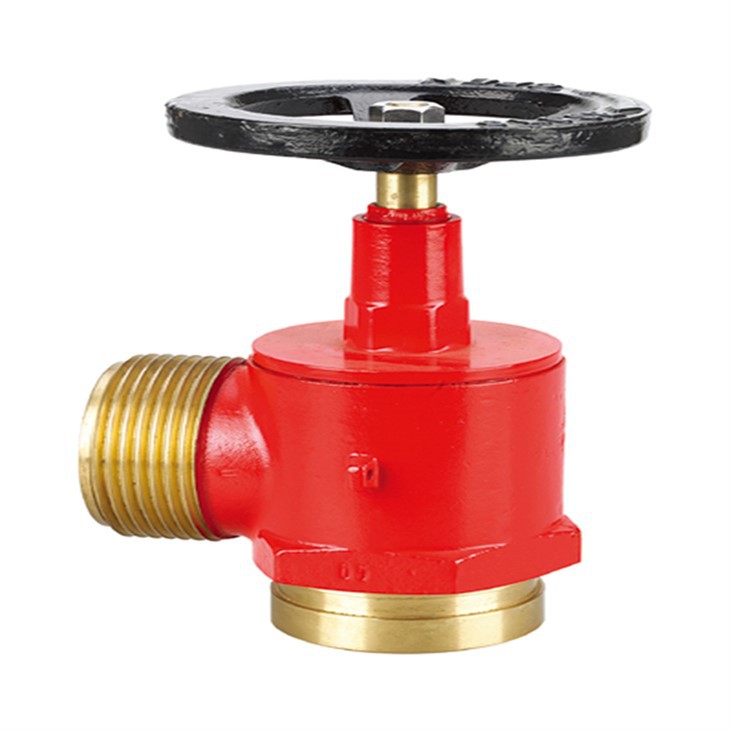

If you're in the market for fire hydrant valves, you need to pay attention to the packing. A valve with good packing will last longer, perform better, and save you money in the long run. Don't just focus on the price of the valve; consider the quality of the packing as well.
We're here to help you find the right fire hydrant valves for your needs. Whether you're a building owner, a contractor, or a firefighting department, we can provide you with the products and expertise you need. If you have any questions or if you're interested in purchasing our fire hydrant valves, feel free to get in touch with us. We're always happy to have a chat and discuss your requirements.
In conclusion, the packing in a fire hydrant valve is not just a small part; it's a critical component that ensures the proper functioning of the valve. It creates a seal, protects the valve stem, and keeps contaminants out. So, the next time you see a fire hydrant, remember that the packing inside the valve is doing a lot of hard work to keep it in good working condition.
References
- Fire Protection Handbook, National Fire Protection Association
- Standards for Fire Hydrant Valves, International Fire Equipment Manufacturers Association


