


As a committed supplier of Fire Extinguisher Balls, I often encounter inquiries regarding the technical specifications of these innovative fire - fighting tools, especially the pressure inside the Fire Extinguisher Ball. Understanding this aspect is crucial for both users and professionals in the fire safety industry, as it directly relates to the device's performance and effectiveness.
Pressure Basics in Fire Extinguishers
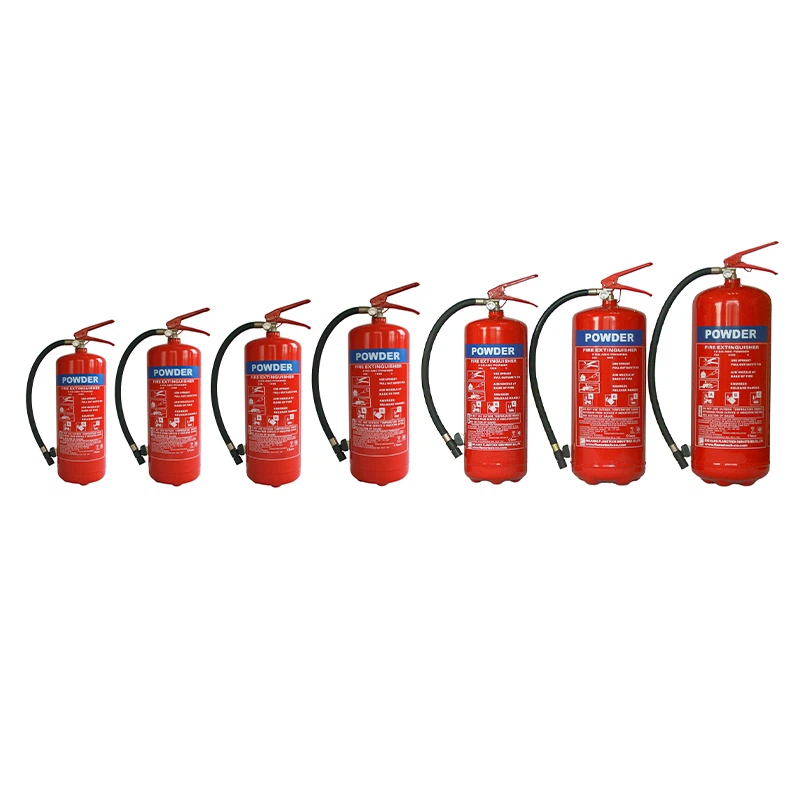
Before diving into the details of the Fire Extinguisher Ball, it's essential to grasp the general concept of pressure in fire extinguishers. Traditional fire extinguishers, such as the Portable Dry Powder Fire Extinguisher and Australian Standard Dry Powder Fire Extinguisher, rely on pressure to expel the extinguishing agent. This pressure can be generated through various means, including compressed gases.
In a regular fire extinguisher, the pressure acts as the driving force to push the powder or liquid out of the extinguisher and onto the fire. The pressure must be carefully regulated to ensure that the extinguisher discharges the agent in a controlled and effective manner. Too much pressure can cause the agent to disperse too quickly and not reach the base of the fire, while too little pressure may not allow the agent to travel far enough to reach the fire at all.
Pressure in Fire Extinguisher Balls
The Fire Extinguisher Ball operates on a different principle compared to traditional fire extinguishers. Instead of a user actively squeezing a handle to release the extinguishing agent, the Fire Extinguisher Ball is designed to activate automatically when it comes into contact with fire.
The pressure inside a Fire Extinguisher Ball is a result of the chemical reactions and physical processes within the ball when it is exposed to high temperatures. When the outer shell of the Fire Extinguisher Ball reaches a certain temperature (usually around 175 - 200 degrees Celsius), the ball ruptures, releasing the dry powder extinguishing agent.
The pressure build - up inside the ball occurs due to the expansion of gases produced by the heat - activated chemical reactions. These reactions are carefully formulated to ensure that the pressure is sufficient to disperse the dry powder over a wide area. The design of the Fire Extinguisher Ball is optimized so that when it explodes, the pressure forces the powder to spread radially, creating a cloud of extinguishing agent that can smother the fire.
Factors Affecting the Pressure
Several factors can influence the pressure inside a Fire Extinguisher Ball:
Chemical Composition
The type and amount of chemicals used in the ball play a significant role in determining the pressure build - up. Different chemical formulations can produce different amounts of gas when heated. For example, some formulations may contain substances that release large volumes of carbon dioxide or other inert gases when they decompose under high temperatures.
Temperature
The temperature at which the Fire Extinguisher Ball is exposed to fire is crucial. Higher temperatures generally lead to more rapid and intense chemical reactions, resulting in a greater pressure build - up. However, if the temperature is too low, the reactions may not occur as effectively, and the pressure may be insufficient to disperse the powder properly.
Shell Integrity
The integrity of the outer shell of the Fire Extinguisher Ball is also important. A damaged or weakened shell can cause premature release of pressure or inconsistent dispersion of the extinguishing agent. Manufacturers take great care in selecting the right materials and manufacturing processes to ensure the shell can withstand normal handling and environmental conditions while still rupturing at the appropriate temperature.
Importance of Proper Pressure
The pressure inside a Fire Extinguisher Ball is directly related to its effectiveness in extinguishing fires. A well - designed Fire Extinguisher Ball with the right pressure characteristics can disperse the dry powder over an area of several square meters, quickly smothering the fire and preventing its spread.
If the pressure is too low, the dry powder may not spread far enough, leaving parts of the fire untouched. On the other hand, excessive pressure can cause the powder to be ejected too forcefully, potentially blowing the fire away rather than extinguishing it. In addition, proper pressure ensures that the ball activates reliably when exposed to fire, which is crucial for its role as an automatic fire - fighting device.
Testing and Standards
To ensure the safety and effectiveness of Fire Extinguisher Balls, they are subject to various testing procedures. These tests often measure the activation temperature, the pressure build - up, and the dispersion pattern of the dry powder. Compliance with relevant standards is essential for these products.
For example, in many countries, fire extinguishers must meet specific safety and performance standards set by national or international organizations. These standards help to guarantee that the Fire Extinguisher Ball will function as intended in real - life fire situations. By adhering to these standards, manufacturers can provide high - quality products that give users confidence in their fire - fighting capabilities.
Applications and Considerations
Fire Extinguisher Balls are suitable for a variety of applications, including residential, commercial, and industrial settings. They are particularly useful in areas where quick and automatic fire suppression is required, such as kitchens, electrical cabinets, and warehouses.

However, it's important to note that Fire Extinguisher Balls have their limitations. They are designed for Class A, B, and C fires (fires involving ordinary combustibles, flammable liquids, and energized electrical equipment, respectively). Their effectiveness may vary depending on the size and intensity of the fire.
When considering the use of Fire Extinguisher Balls, it's also important to ensure proper installation and placement. The balls should be placed in areas where they are likely to come into contact with fire quickly. Additionally, regular inspections should be carried out to ensure that the balls are in good condition and ready to function when needed.
Conclusion
In conclusion, the pressure inside a Fire Extinguisher Ball is a critical factor that determines its performance and effectiveness in extinguishing fires. It is a result of carefully formulated chemical reactions that are designed to activate when the ball is exposed to high temperatures. Understanding the factors that affect this pressure, such as chemical composition, temperature, and shell integrity, is essential for both manufacturers and users.
If you are looking to enhance the fire safety of your home, business, or industrial facility, our high - quality Fire Extinguisher Balls are an excellent choice. We are committed to providing products that meet the highest safety and performance standards. If you have any questions or would like to discuss your fire - fighting needs, please feel free to contact us to start a procurement discussion.
References
- NFPA 10: Standard for Portable Fire Extinguishers
- ISO 7165: Fire extinguishers — Classification and designation


