


What is the Spraying Range of a Home Fire Extinguisher?
As a supplier of home fire extinguishers, I often receive inquiries from customers about the spraying range of these essential safety devices. Understanding the spraying range is crucial for effectively combating fires and ensuring the safety of your home and loved ones. In this blog post, I will delve into the factors that influence the spraying range of a home fire extinguisher and provide you with valuable insights to help you make an informed decision when choosing the right fire extinguisher for your needs.
Factors Affecting the Spraying Range
The spraying range of a home fire extinguisher is determined by several factors, including the type of fire extinguisher, the pressure inside the extinguisher, and the design of the nozzle. Let's take a closer look at each of these factors:
- Type of Fire Extinguisher: Different types of fire extinguishers have different spraying ranges. For example, water-based fire extinguishers typically have a shorter spraying range compared to dry chemical or CO2 fire extinguishers. This is because water is heavier and more viscous than the other extinguishing agents, which makes it more difficult to project over long distances.
- Pressure Inside the Extinguisher: The pressure inside the fire extinguisher plays a significant role in determining the spraying range. Fire extinguishers are typically pressurized with a gas, such as nitrogen or carbon dioxide, which helps to propel the extinguishing agent out of the nozzle. The higher the pressure inside the extinguisher, the greater the spraying range.
- Design of the Nozzle: The design of the nozzle also affects the spraying range of a fire extinguisher. Nozzles come in different shapes and sizes, and each design has its own unique characteristics. For example, a narrow nozzle will produce a more concentrated stream of extinguishing agent, which can be useful for targeting specific areas of a fire. On the other hand, a wide nozzle will produce a broader spray pattern, which can be more effective for covering a larger area.
Typical Spraying Ranges
The spraying range of a home fire extinguisher can vary depending on the factors mentioned above. However, as a general rule of thumb, most home fire extinguishers have a spraying range of between 3 and 10 feet. Here are some examples of the typical spraying ranges for different types of fire extinguishers:
- Water-Based Fire Extinguishers: Water-based fire extinguishers typically have a spraying range of between 3 and 6 feet. This is because water is heavier and more viscous than the other extinguishing agents, which makes it more difficult to project over long distances.
- Dry Chemical Fire Extinguishers: Dry chemical fire extinguishers typically have a spraying range of between 6 and 10 feet. This is because dry chemical extinguishing agents are lighter and more easily dispersed than water, which allows them to be projected over longer distances.
- CO2 Fire Extinguishers: CO2 fire extinguishers typically have a spraying range of between 3 and 8 feet. This is because CO2 is a gas, which makes it more difficult to control and project over long distances.
Importance of the Spraying Range
The spraying range of a home fire extinguisher is an important factor to consider when choosing the right fire extinguisher for your needs. A fire extinguisher with a longer spraying range can be more effective for combating fires from a safe distance, which can help to protect you and your family from harm. Additionally, a fire extinguisher with a longer spraying range can be more useful for extinguishing fires in hard-to-reach areas, such as behind furniture or in the corners of a room.
Choosing the Right Fire Extinguisher
When choosing a home fire extinguisher, it is important to consider the spraying range, as well as other factors such as the type of fire you are likely to encounter, the size of the area you need to protect, and your personal preferences. Here are some tips to help you choose the right fire extinguisher for your needs:
- Consider the Type of Fire: Different types of fire extinguishers are designed to combat different types of fires. For example, water-based fire extinguishers are effective for extinguishing Class A fires, which involve ordinary combustibles such as wood, paper, and cloth. Dry chemical fire extinguishers are effective for extinguishing Class A, B, and C fires, which involve flammable liquids, gases, and electrical equipment. CO2 fire extinguishers are effective for extinguishing Class B and C fires, which involve flammable liquids and electrical equipment.
- Consider the Size of the Area: The size of the area you need to protect will also affect the type and size of fire extinguisher you need. For example, if you have a small apartment or office, a small fire extinguisher with a shorter spraying range may be sufficient. However, if you have a large home or commercial building, you may need a larger fire extinguisher with a longer spraying range.
- Consider Your Personal Preferences: Finally, it is important to consider your personal preferences when choosing a fire extinguisher. Some people prefer fire extinguishers that are easy to use and lightweight, while others prefer fire extinguishers that are more powerful and have a longer spraying range.
Additional Fire Extinguisher Options
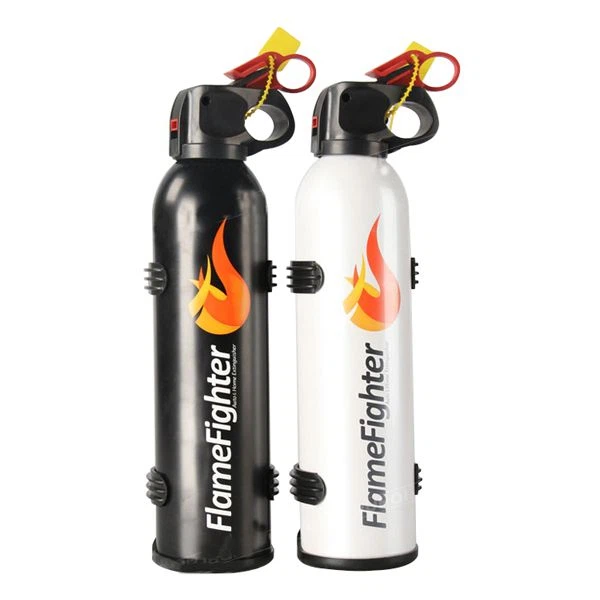
In addition to traditional home fire extinguishers, there are also other types of fire extinguishers that you may want to consider. These include Vehicle Fire Extinguisher, Throwable Fire Extinguisher, and Car Fire Extinguisher. These types of fire extinguishers are designed for specific applications and can provide additional protection in certain situations.

Conclusion
In conclusion, the spraying range of a home fire extinguisher is an important factor to consider when choosing the right fire extinguisher for your needs. By understanding the factors that affect the spraying range and choosing a fire extinguisher with an appropriate spraying range, you can help to ensure the safety of your home and loved ones in the event of a fire. If you have any questions or need further information about home fire extinguishers, please do not hesitate to contact us. We are here to help you choose the right fire extinguisher for your needs and provide you with the support and guidance you need to keep your home safe.
We are a leading supplier of high-quality home fire extinguishers, and we are committed to providing our customers with the best products and services. If you are interested in purchasing a home fire extinguisher or have any questions about our products, please contact us today. We look forward to hearing from you and helping you protect your home and loved ones from the dangers of fire.
References
- NFPA 10: Standard for Portable Fire Extinguishers
- UL 711: Standard for Fire Extinguishers
- OSHA Fire Extinguisher Standards


