


Fire nozzles are crucial components in firefighting operations, designed to control and direct the flow of water or firefighting agents. The choice of materials for fire nozzles is a critical factor that significantly impacts their performance, durability, and overall effectiveness. As a leading fire nozzle supplier, we understand the importance of using high - quality materials to ensure the reliability of our products. In this blog, we will explore the various materials commonly used in the manufacturing of fire nozzles.
Brass
Brass is one of the most popular materials for fire nozzles. It is an alloy composed primarily of copper and zinc, with small amounts of other elements that can be added to enhance specific properties.
Advantages of Brass Fire Nozzles
- Corrosion Resistance: Brass has excellent corrosion resistance, which is essential for fire nozzles that are often exposed to water and various environmental conditions. This resistance helps to prevent rust and degradation over time, ensuring a longer service life for the nozzle.
- Malleability: Brass is a malleable material, which means it can be easily shaped into complex designs. This allows manufacturers to create fire nozzles with precise internal geometries, optimizing the flow of water and improving the nozzle's performance.
- Good Heat Conductivity: In firefighting situations, nozzles can be exposed to high temperatures. Brass's good heat conductivity helps to dissipate heat, reducing the risk of damage to the nozzle due to overheating.
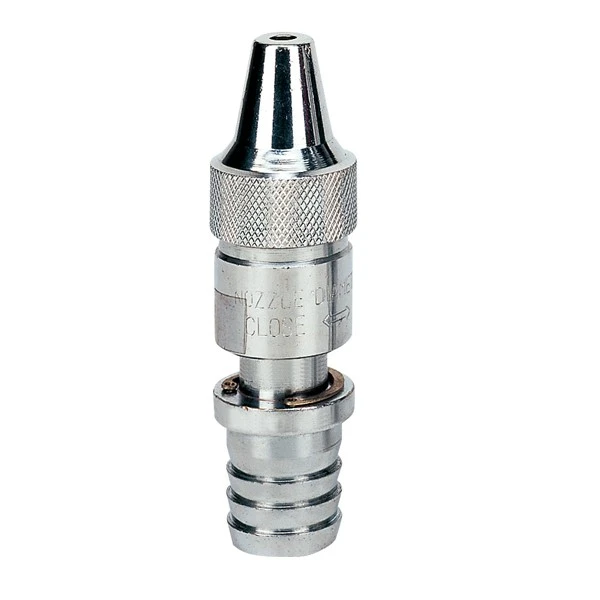
Our Durable Brass Jet And Spray Nozzle is a prime example of a high - quality brass fire nozzle. It is designed to provide a powerful and adjustable water stream, making it suitable for a wide range of firefighting applications.
Stainless Steel
Stainless steel is another material commonly used in fire nozzle manufacturing. It is an alloy of iron, chromium, and other elements, with chromium providing the steel's characteristic corrosion resistance.
Benefits of Stainless Steel Fire Nozzles
- High Strength: Stainless steel has high tensile strength, which means it can withstand high pressures without deforming. This is particularly important for fire nozzles, as they need to handle the high - pressure water flow from fire hoses.
- Superior Corrosion Resistance: Compared to brass, stainless steel offers even better corrosion resistance, especially in harsh environments. It is resistant to rust, pitting, and staining, making it ideal for use in areas with high humidity or exposure to chemicals.
- Aesthetic Appeal: Stainless steel has a modern and sleek appearance, which can be an advantage in some applications. It also requires less maintenance compared to other materials, as it does not need to be polished or coated to maintain its appearance.
Aluminum
Aluminum is a lightweight and cost - effective material that is increasingly being used in fire nozzle production.
Features of Aluminum Fire Nozzles
- Lightweight: The low density of aluminum makes fire nozzles made from this material much lighter than those made from brass or stainless steel. This is a significant advantage for firefighters, as it reduces the physical strain during firefighting operations.
- Good Machinability: Aluminum is easy to machine, which allows for efficient manufacturing processes. This can result in lower production costs, which can be passed on to the customers.
- Corrosion Resistance: Aluminum forms a thin oxide layer on its surface, which provides some degree of corrosion resistance. However, this layer can be enhanced through processes such as anodizing, which further improves the material's resistance to corrosion.
Plastic
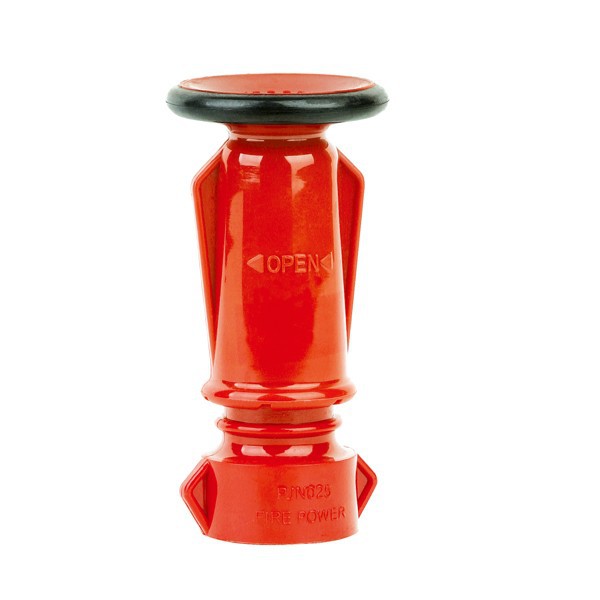
Plastic materials are also used in the production of some fire nozzles, especially for non - critical or low - pressure applications.
Advantages of Plastic Fire Nozzles
- Low Cost: Plastic is a relatively inexpensive material, making plastic fire nozzles an affordable option for budget - conscious customers.
- Lightweight: Similar to aluminum, plastic fire nozzles are lightweight, which can be beneficial for ease of use.
- Design Flexibility: Plastic can be molded into a wide variety of shapes and sizes, allowing for innovative nozzle designs.
However, plastic fire nozzles have some limitations. They generally have lower heat resistance and may not be as durable as metal nozzles in high - pressure or high - temperature firefighting situations.
Composite Materials
Composite materials, which are made by combining two or more different materials, are also being explored for use in fire nozzles. These materials can offer a combination of the best properties of the individual components.
Potential of Composite Fire Nozzles
- Customizable Properties: By carefully selecting the constituent materials, composite fire nozzles can be designed to have specific properties such as high strength, low weight, and excellent corrosion resistance.
- Improved Performance: Composite materials can potentially offer better performance than traditional materials in terms of flow characteristics and durability.
As a fire nozzle supplier, we are constantly researching and developing new materials and technologies to improve the performance and quality of our products. Our Fire Hose Nozzle and DN65 Fire Branchpipe are available in a variety of materials to meet the diverse needs of our customers.
Whether you are a professional firefighter, a fire department, or an industrial user, choosing the right fire nozzle material is crucial for ensuring the safety and effectiveness of your firefighting operations. We are committed to providing high - quality fire nozzles made from the best materials available. If you are interested in our products or have any questions about fire nozzle materials, please feel free to contact us for procurement discussions. We look forward to serving you and helping you find the perfect fire nozzle solution for your needs.
References
- Smith, J. (2018). Firefighting Equipment Materials: A Comprehensive Guide. Fire Science Journal, 25(3), 45 - 58.
- Johnson, R. (2019). Advances in Fire Nozzle Technology. International Journal of Fire Protection, 12(2), 67 - 79.
- Brown, A. (2020). The Role of Material Selection in Firefighting Equipment Performance. Fire Safety Review, 30(1), 23 - 36.


