


Hey there! As a fire hydrant valve supplier, I often get asked about where fire hydrant valves are usually located. It's a super important question, 'cause knowing the right location can be a matter of life and death in case of a fire. So, let's dive right into it.
Street - Side Hydrants
The most common place you'll find fire hydrant valves is on the streets. These are the ones you see sticking up out of the ground, usually painted bright red to make them easy to spot. Street - side hydrants are strategically placed along roads and sidewalks. They're typically located close to the curb, about 3 to 4 feet from the edge of the road. This positioning allows fire trucks to easily pull up and connect their hoses without blocking traffic too much.
The reason for placing them on the street is simple. In case of a fire in a building or a vehicle on the road, firefighters need quick and easy access to water. Street - side hydrants are connected to the main water supply system, which means they can provide a large volume of water in a short amount of time. For example, a standard fire hydrant can supply anywhere from 500 to 1500 gallons of water per minute!
If you're interested in the type of valves used in these street - side hydrants, check out our Hydrant Valve. It's designed to withstand high pressures and ensure a reliable water flow during emergencies.
Building - Interior Hydrants
Another common location for fire hydrant valves is inside buildings. These are usually found in commercial buildings, high - rise apartments, and industrial facilities. Inside a building, you'll typically find hydrant valves in stairwells, hallways, or near exits. They're often housed in cabinets for protection and easy identification.
The idea behind placing hydrant valves inside buildings is to provide a quick water source for initial fire suppression. In the early stages of a fire, the building's occupants or security personnel can use the hydrant to control the fire until the firefighters arrive. For example, in a large office building, having hydrants on each floor can prevent a small fire from spreading and causing major damage.
Our Fire Hydrant Gate Valve is a great option for building - interior hydrants. It's easy to operate and can effectively control the water flow within the building's fire - suppression system.
Industrial Sites
Industrial sites have their own unique requirements when it comes to fire hydrant valve locations. In large factories, refineries, and warehouses, hydrant valves are often placed around the perimeter of the facility, as well as inside the buildings. They're also located near areas where there's a high risk of fire, such as storage areas for flammable materials or areas with heavy machinery.
The spacing between hydrant valves in industrial sites is carefully calculated based on the size of the area and the potential fire hazards. For example, in a large chemical plant, hydrants might be placed every 100 to 150 feet to ensure complete coverage.
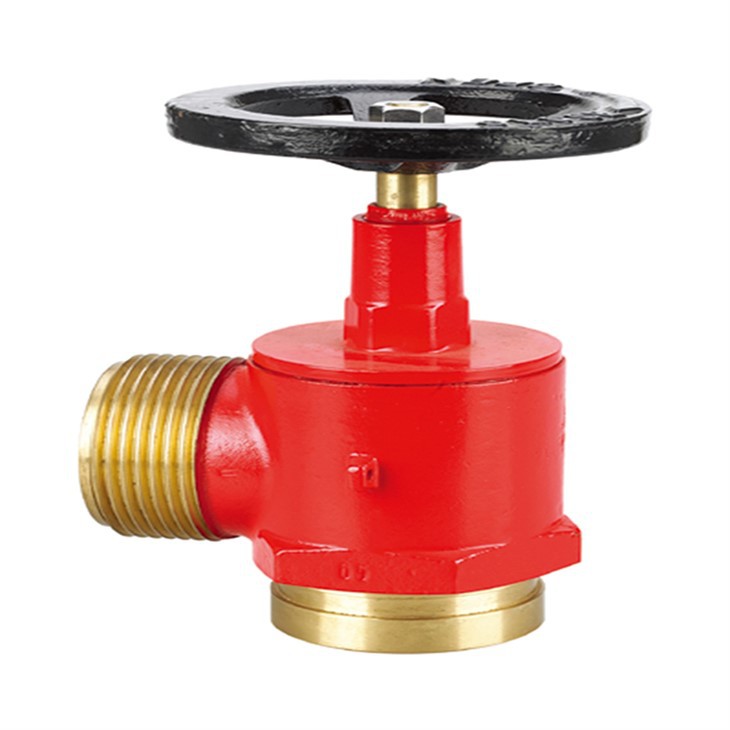

When it comes to industrial applications, our Pressure Regulating Valve can be a game - changer. It helps maintain a consistent water pressure, which is crucial in large - scale fire - suppression systems.
Underground Hydrants
In some areas, especially in cold climates, you might find underground fire hydrant valves. These are installed below the ground level to prevent the water inside the hydrant from freezing during winter. The valve is usually located in a vault or a pit, which is covered with a protective lid.
Access to underground hydrants is a bit different compared to above - ground ones. Firefighters need to open the lid of the vault and use special tools to connect their hoses. However, they still provide a reliable water source in areas where freezing is a concern.
Special Considerations
There are also some special cases where fire hydrant valves might be located in non - traditional places. For example, in airports, hydrant valves can be found along runways and taxiways to quickly respond to aircraft fires. In marinas, they're placed near the docks to deal with boat fires.
The location of fire hydrant valves is also influenced by local building codes and regulations. These codes specify the minimum number of hydrants, their spacing, and the distance from potential fire hazards. So, it's always important to consult with local authorities when installing fire hydrant valves.
Why Choose Our Fire Hydrant Valves?
As a fire hydrant valve supplier, we take pride in offering high - quality products. Our valves are made from durable materials that can withstand harsh environments and high pressures. We also ensure that all our products meet the relevant safety standards.
Whether you're a building owner, a facility manager, or a firefighting department, our fire hydrant valves can provide you with the reliability and performance you need. Our team of experts is always ready to help you choose the right valve for your specific needs.
Let's Connect!
If you're in the market for fire hydrant valves, don't hesitate to reach out. We're here to assist you with your procurement needs. Whether it's for a new construction project, an upgrade to an existing system, or just a replacement part, we've got you covered. Contact us to start a conversation about how our fire hydrant valves can enhance your fire - suppression capabilities.
References
- National Fire Protection Association (NFPA) Standards
- Local Building Codes and Regulations
- Industry Best Practices for Fire Hydrant Installation


