


Hey there! As a supplier of foam fire extinguishers, I often get asked, "Can I use a foam fire extinguisher on a car fire?" Well, let's dig into this topic and find out.
First off, let's understand what a car fire is usually made of. Car fires can start from different sources. You've got the fuel in the gas tank, which is highly flammable. Then there are the oil leaks, electrical malfunctions, and even hot engine parts that can ignite nearby flammable materials.
So, can foam fire extinguishers handle these situations? The answer is, in most cases, yes! Foam fire extinguishers work by creating a layer of foam that covers the fire. This layer does two important things. First, it cuts off the fire's oxygen supply. Fire needs oxygen to burn, and when you block it with foam, the fire can't keep going. Second, the foam cools down the burning material. In a car fire, this means it can cool down the hot engine parts, the fuel, or any other burning components.
Let's talk about the different types of foam fire extinguishers we offer. We've got the Foam Wheeled Fire Extinguisher. This one is great for larger areas. If you're dealing with a big car fire, especially if it's spread to multiple parts of the vehicle or the surrounding area, the wheeled fire extinguisher gives you the capacity and mobility you need. It can hold a large amount of foam, so you can keep spraying for a longer time.
Then there's the Portable Foam Fire Extinguisher. This is a more compact option. It's easy to carry around, and you can keep it in your car's trunk. If you notice a small fire starting, like a minor electrical fire or a small fuel leak that's caught fire, you can quickly grab the portable extinguisher and start putting it out before it gets out of control.
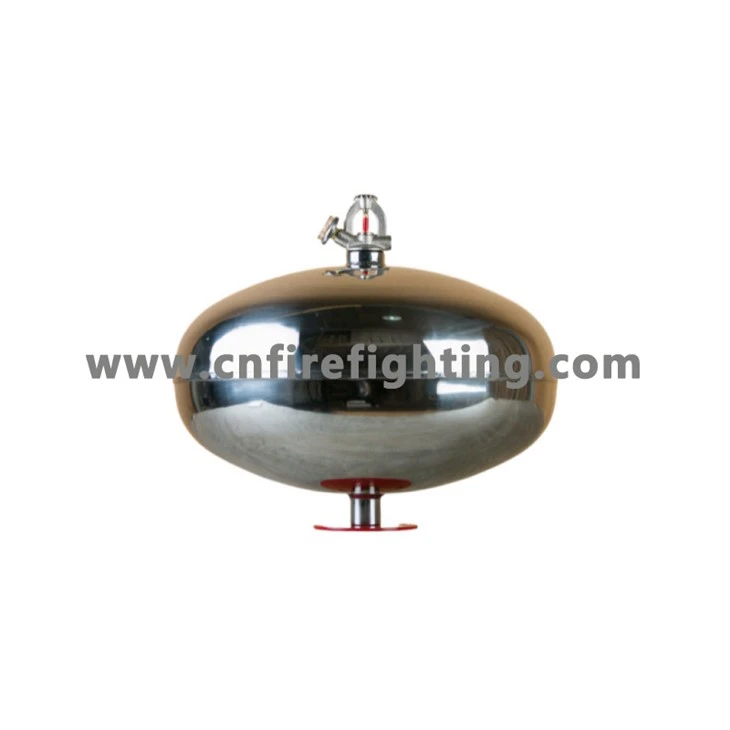
We also have Automatic Extinguishers. These are really cool. They can be installed in your car, and they'll activate automatically when they detect a fire. This is super useful because sometimes, a fire can start when you're not even around. With an automatic extinguisher, it can start working right away and potentially prevent a small fire from turning into a big disaster.

Now, there are some things to keep in mind when using a foam fire extinguisher on a car fire. First, make sure you're using it correctly. Read the instructions on the extinguisher carefully. Usually, you'll need to pull the pin, aim at the base of the fire, and squeeze the handle to release the foam.
Second, be aware of the type of fire. Foam fire extinguishers are great for Class A and Class B fires. Class A fires involve ordinary combustibles like wood, paper, and cloth. In a car, this could be the seats or the interior materials. Class B fires involve flammable liquids like gasoline and oil. Most car fires are a combination of these two types. But if there's a Class C fire, which involves energized electrical equipment, you need to be careful. While foam can work on some electrical fires, it's always a good idea to turn off the power source if you can.
Another thing to consider is the environment. If it's windy, the foam might get blown away before it can do its job. So, try to position yourself in a way that the wind isn't working against you.
Also, after using the extinguisher, make sure to call the fire department. Even if you think you've put out the fire, there could be some smoldering embers that could reignite. The fire department has the equipment and expertise to fully extinguish the fire and make sure it doesn't come back.
In conclusion, foam fire extinguishers are a great option for car fires. They can effectively put out the fire and prevent it from spreading. Whether you choose the wheeled, portable, or automatic type, you'll have a reliable tool to deal with car fires.
If you're interested in purchasing our foam fire extinguishers, we'd love to have a chat with you. We can help you figure out which type is best for your needs, whether it's for personal use in your car or for a fleet of vehicles. Just reach out, and we'll be happy to assist you in making the right choice.
References
- National Fire Protection Association (NFPA) - Fire Safety Standards
- Fire Equipment Manufacturers' Association (FEMA) - Guidelines on Fire Extinguishers


