


As a supplier of foam fire extinguishers, I understand the significance of proper storage for these life - saving devices. Foam fire extinguishers are a popular choice for combating fires involving flammable liquids and solids, but their effectiveness can be severely impacted if not stored correctly. In this blog, I'll share some essential guidelines on how to store a foam fire extinguisher to ensure its reliability when you need it most.
1. Temperature Considerations
Foam fire extinguishers are sensitive to temperature fluctuations. Extreme heat can cause the pressure inside the extinguisher to rise, potentially leading to leaks or even rupture. On the other hand, extremely cold temperatures can thicken the foam agent, making it difficult to discharge effectively when needed.
The ideal storage temperature range for foam fire extinguishers is typically between 40°F (4°C) and 120°F (49°C). It's crucial to keep them away from direct sunlight, heaters, or any other heat sources that could cause the temperature to exceed this range. For instance, if you're storing the extinguishers in a garage, avoid placing them near a furnace or in a spot that gets full sun exposure throughout the day.

2. Location Selection
- Accessibility: The first rule of storing a foam fire extinguisher is to ensure it's easily accessible. In case of a fire, every second counts, and you don't want to waste time searching for the extinguisher. Mount the fire extinguisher on the wall at a height that is easy to reach. A good rule of thumb is to have the top of the extinguisher no more than 5 feet (1.5 meters) above the floor for most adults. For areas where children or people with disabilities may be present, the height may need to be adjusted accordingly.
- Visibility: The extinguisher should be clearly visible. Avoid storing it behind large objects or in areas that are obscured. You can use signs or markings to indicate the location of the fire extinguisher, especially in large buildings or warehouses.
- Avoiding Obstructions: Make sure there are no obstacles in front of the fire extinguisher. This includes boxes, equipment, or any other items that could prevent quick access.
3. Mounting and Support
When mounting a foam fire extinguisher, it's important to use the appropriate mounting bracket. The bracket should be strong enough to hold the weight of the extinguisher securely. Most foam fire extinguishers come with mounting instructions, and it's essential to follow them carefully.
If you're mounting the extinguisher on a wall, ensure that the wall is sturdy enough to support the weight. For heavy - duty extinguishers, such as the 50L Wheeled Foam Fire Extinguisher, it may be necessary to use additional support or a specialized mounting system.
4. Protection from Damage
Foam fire extinguishers can be damaged by physical impacts. Avoid storing them in areas where they are likely to be bumped or knocked over. For example, don't place them in high - traffic areas or near equipment that moves around.
If you're storing multiple fire extinguishers, make sure they are not stacked on top of each other, as this can cause damage to the bottom extinguisher. In addition, protect the extinguisher from sharp objects or rough surfaces that could puncture the container.
5. Maintenance and Inspection Areas
It's a good idea to store foam fire extinguishers in an area where they can be easily inspected and maintained. Regular inspections are essential to ensure the extinguisher is in working condition. The inspection area should be well - lit and have enough space to perform a thorough check.
During inspections, check the pressure gauge on the extinguisher. If the gauge indicates that the pressure is too low or too high, the extinguisher may need to be serviced or recharged. Also, inspect the hose, nozzle, and valve for any signs of damage or blockage.
6. Compatibility with Surroundings
Consider the chemical compatibility of the foam fire extinguisher with its surroundings. Foam fire extinguishers are designed to fight specific types of fires, and they may react with certain chemicals or materials in the storage area.
For example, if you're storing the extinguisher in a chemical storage facility, make sure the foam agent is not likely to react with any of the stored chemicals. If in doubt, consult the manufacturer's guidelines or a fire safety professional.
7. Special Considerations for Small and Unusual Shapes
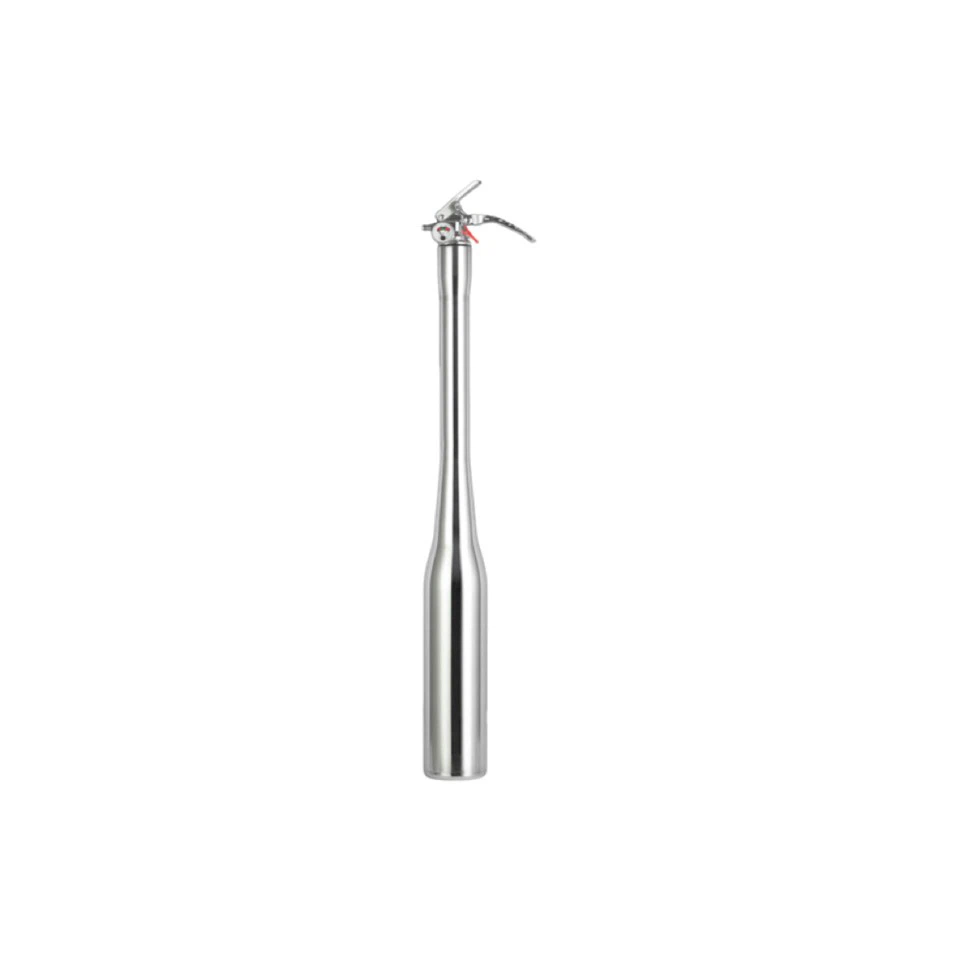
We also offer small - sized and uniquely shaped foam fire extinguishers, such as the Baseball Bat - shaped Stainless Steel Fire Extinguisher and the Gourd - shaped Stainless Steel Fire Extinguisher. These extinguishers are more portable and suitable for specific applications.
When storing these small and uniquely shaped extinguishers, follow the same basic temperature and location guidelines. However, due to their size and shape, they may be easier to store in tight spaces. Just make sure they are still accessible and protected from damage.
In conclusion, proper storage of foam fire extinguishers is crucial for their performance and reliability in case of a fire. By following these guidelines, you can ensure that your foam fire extinguishers are always ready to use when needed.
If you are in the market for high - quality foam fire extinguishers or have questions about their storage and maintenance, I encourage you to get in touch with us. We can provide you with more detailed information and help you choose the right fire extinguishers for your needs.
References
- National Fire Protection Association (NFPA) standards on fire extinguisher storage and maintenance
- Manufacturer's guidelines for foam fire extinguishers


