


Recording the inspection results of a fire hydrant valve is crucial for ensuring the safety and functionality of fire protection systems. As a fire hydrant valve supplier, I've seen firsthand how proper record - keeping can make a significant difference in maintaining these vital pieces of equipment.

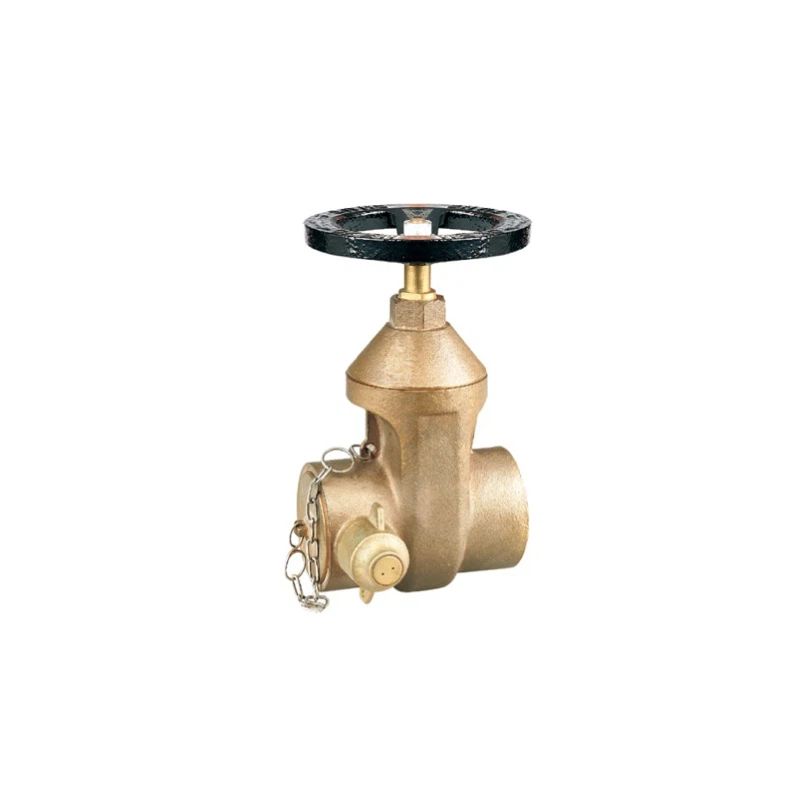
Why Recording Inspection Results Matters
First off, let's talk about why recording inspection results is so important. Fire hydrant valves are a key part of any fire protection setup. They need to be in top - notch condition to work effectively when a fire breaks out. By recording inspection results, we can track the valve's performance over time. This helps us spot any emerging issues early on, like leaks, corrosion, or mechanical failures.
For example, if we notice that a particular valve has been showing a gradual increase in leakage during inspections, we can take proactive steps to repair or replace it before it becomes a major problem. Also, proper records are often required by local fire codes and insurance companies. They serve as proof that the fire hydrant valves are being regularly inspected and maintained, which can save you from potential fines and ensure that your insurance coverage remains valid.
Tools Needed for Inspection
Before we get into how to record the results, let's quickly go over the tools you'll need for a proper fire hydrant valve inspection. You'll need a pressure gauge to measure the water pressure, a wrench to open and close the valve, and a flashlight to check for any signs of damage in hard - to - reach areas. It's also a good idea to have a notebook or a digital device to record your findings.
Step - by - Step Inspection Process
- Visual Inspection: Start by taking a good look at the valve. Check for any visible signs of damage, such as cracks, dents, or rust. Look at the valve body, the handle, and the connections. Make sure the valve is properly installed and that there are no loose parts.
- Operational Check: Use the wrench to open and close the valve. It should operate smoothly without any excessive force. If you encounter any resistance or if the valve doesn't fully open or close, this could be a sign of a problem.
- Pressure Test: Attach the pressure gauge to the valve and open it to measure the water pressure. Compare the reading with the recommended pressure for the specific valve. If the pressure is too high or too low, it could indicate a problem with the valve or the water supply system.
- Leak Check: Inspect the valve for any signs of leakage. Look around the valve body, the connections, and the packing. Even a small leak can be a sign of a larger issue, so it's important to note it down.
Recording the Inspection Results
Now, let's talk about how to record these inspection results. You can use a simple paper form or a digital spreadsheet. Here's what you should include in your records:
- Date and Time: Record the exact date and time of the inspection. This helps you keep track of when the valve was last checked.
- Valve Information: Note down the type of valve, its size, and its location. For example, you might have a DN65 Diaphragm Valve installed in a particular building or area.
- Inspection Findings: Describe in detail what you found during the inspection. If there were any signs of damage, leaks, or operational issues, write them down. Include the pressure readings and any other relevant measurements.
- Actions Taken: If you took any actions during the inspection, such as tightening a connection or lubricating the valve, record them. Also, note if any repairs or replacements are needed.
- Inspector's Name: Sign your name at the end of the record to indicate who conducted the inspection.
Digital vs. Paper Records
There are pros and cons to both digital and paper records. Paper records are simple and don't require any special equipment. You can easily carry a notebook with you during the inspection. However, they can be easily lost or damaged, and it can be difficult to search through them if you need to find specific information.
On the other hand, digital records are more convenient for storage and retrieval. You can use a spreadsheet or a dedicated inspection software to organize your records. They can also be easily shared with other team members or stakeholders. But you need to have a reliable device and a backup system to ensure that your data is safe.
Special Considerations for Different Types of Valves
Different types of fire hydrant valves have different inspection requirements. For example, a Pressure Regulating Valve With BSP Screwed needs to be inspected for proper pressure regulation. You'll need to check the adjustment settings and make sure the valve is maintaining the correct pressure.
A Fire Brass Drain Valve should be inspected for proper drainage. Make sure it opens and closes properly and that there are no blockages.
Regular Inspections and Maintenance
Regular inspections are key to keeping your fire hydrant valves in good working condition. Depending on local codes and the manufacturer's recommendations, you should inspect your valves at least once a year. However, in some high - risk areas, more frequent inspections may be required.
In addition to inspections, regular maintenance is also important. This includes lubricating the valve, tightening connections, and replacing any worn - out parts. By doing so, you can extend the lifespan of your fire hydrant valves and ensure that they are ready to perform when needed.
Contact for Procurement
If you're in the market for high - quality fire hydrant valves or need more information about our products and services, don't hesitate to reach out. We're here to help you find the right valves for your fire protection needs and ensure that you have all the information you need to maintain them properly.
References
- National Fire Protection Association (NFPA) standards
- Manufacturer's manuals for fire hydrant valves
- Local fire codes and regulations


