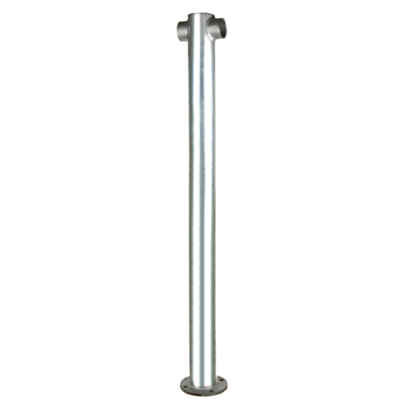
How to Lubricate a Fire Hydrant Ball Valve?
As a supplier of Fire Hydrant Ball Valves, I understand the importance of proper maintenance to ensure the optimal performance and longevity of these critical components. Lubricating a fire hydrant ball valve is a vital part of its maintenance routine, and in this blog, I'll guide you through the process step by step.
Why Lubrication is Crucial
Fire hydrant ball valves are designed to control the flow of water in fire protection systems. Over time, the valve's moving parts can experience friction, which may lead to wear and tear, and eventually, malfunction. Lubrication reduces this friction, allowing the valve to operate smoothly and ensuring that it can be opened and closed quickly in case of an emergency.
Tools and Materials Needed
Before you start lubricating the fire hydrant ball valve, gather the following tools and materials:
- Lubricant: Choose a high - quality lubricant specifically designed for use in fire protection systems. It should be resistant to water, corrosion, and extreme temperatures.
- Cleaning Brush: A small brush to clean the valve components before lubrication.
- Wrenches: Appropriate wrenches to open and close the valve and access its internal parts.
- Safety Gear: Wear gloves and safety glasses to protect yourself during the process.
Step 1: Preparation
- Turn Off the Water Supply: Locate the Shut - off Valve and close it to stop the flow of water to the fire hydrant ball valve. This is a crucial safety step to prevent water from spraying out during the lubrication process.
- Inspect the Valve: Visually inspect the valve for any signs of damage, such as cracks, leaks, or rust. If you notice any significant damage, it may be necessary to replace the valve instead of just lubricating it.
- Clean the Valve: Use the cleaning brush to remove any dirt, debris, or rust from the valve body, stem, and ball. Cleaning the valve before lubrication ensures that the lubricant can work effectively and that no contaminants are introduced into the valve.
Step 2: Accessing the Valve Components
- Remove the Valve Cover: Use the appropriate wrenches to remove the valve cover. This will give you access to the internal components of the valve, including the ball and the stem.
- Examine the Ball and Stem: Check the ball and stem for any signs of wear or damage. If the ball or stem is severely worn, it may need to be replaced.
Step 3: Applying the Lubricant
- Apply Lubricant to the Ball: Using a small brush or applicator, apply a thin layer of lubricant to the surface of the ball. Make sure to cover the entire surface evenly. The lubricant helps the ball rotate smoothly within the valve body.
- Lubricate the Stem: Apply lubricant to the stem as well. The stem is responsible for opening and closing the valve, and proper lubrication ensures that it can move freely.
- Lubricate the Seals: The seals in the valve are essential for preventing leaks. Apply a small amount of lubricant to the seals to keep them flexible and prevent them from drying out.
Step 4: Reassembling the Valve
- Replace the Valve Cover: After applying the lubricant, carefully replace the valve cover. Make sure it is tightened securely to prevent any leaks.
- Test the Valve: Slowly open and close the valve several times to ensure that it operates smoothly. Check for any signs of leaks or unusual resistance.
Step 5: Restore the Water Supply
- Open the Shut - off Valve: Once you have confirmed that the valve is operating correctly, open the Shut - off Valve to restore the water supply to the fire hydrant.
- Check for Leaks: Inspect the valve and the surrounding area for any signs of leaks. If you notice any leaks, immediately close the shut - off valve and re - check the valve components for proper assembly.
Special Considerations for Different Types of Valves
- Pressure Regulating Valve Oblique Landing Valve: If you are dealing with a Pressure Regulating Valve Oblique Landing Valve, pay special attention to the pressure - regulating components. Lubricate these components according to the manufacturer's instructions to ensure accurate pressure control.
- Fire Hydrant Ball Valve With WaterMark: For Fire Hydrant Ball Valve With WaterMark, make sure to follow the specific maintenance guidelines provided by the manufacturer. The watermark may require additional care to ensure its visibility and accuracy.
Regular Maintenance Schedule
To keep your fire hydrant ball valves in optimal condition, it is recommended to establish a regular maintenance schedule. Lubricate the valves at least once a year, or more frequently if they are located in harsh environments or are subject to heavy use.


Conclusion
Proper lubrication of fire hydrant ball valves is essential for their reliable operation. By following the steps outlined in this blog, you can ensure that your valves are well - maintained and ready to perform in case of an emergency. If you have any questions or need further assistance with fire hydrant ball valves, don't hesitate to contact us for more information and to discuss your procurement needs.
References
- National Fire Protection Association (NFPA) standards for fire hydrant maintenance.
- Manufacturer's manuals for fire hydrant ball valves.