


Hey there! As a fire hose nozzle supplier, I've been in the thick of the fire - fighting game for quite a while. And one question that comes up a lot is: "What is the efficiency of a fire hose nozzle in extinguishing fires?" Let's dig deep into this topic.
First off, we need to understand what makes a fire hose nozzle efficient. It's not just about spraying water; it's about how effectively that water can reach the fire, cool it down, and suppress the flames. A good fire hose nozzle should be able to deliver the right amount of water at the right pressure and in the right pattern.
Factors Affecting Nozzle Efficiency
Water Pressure
Water pressure plays a huge role in nozzle efficiency. If the pressure is too low, the water won't reach the fire effectively. It might just dribble out and not have enough force to penetrate the flames. On the other hand, if the pressure is too high, the water might bounce off the fire or create a mist that doesn't have enough mass to cool the fire. We've got to find that sweet spot. For example, in a small, contained fire like a kitchen grease fire, a lower pressure might be sufficient. But for a large, raging building fire, a much higher pressure is needed to reach the heart of the blaze.
Spray Pattern
The spray pattern of a fire hose nozzle is also crucial. There are different types of spray patterns, such as straight stream, fog, and cone - shaped sprays. A straight - stream pattern is great for reaching long distances and getting water deep into a fire. It's often used for outdoor fires or when you need to penetrate through walls or other barriers. A fog pattern, on the other hand, creates a fine mist of water droplets. This is excellent for cooling the air around the fire, reducing the heat and preventing the fire from spreading. It's also useful for protecting firefighters from the intense heat. The cone - shaped spray is a middle - ground option, providing a balance between reach and coverage.
Nozzle Design
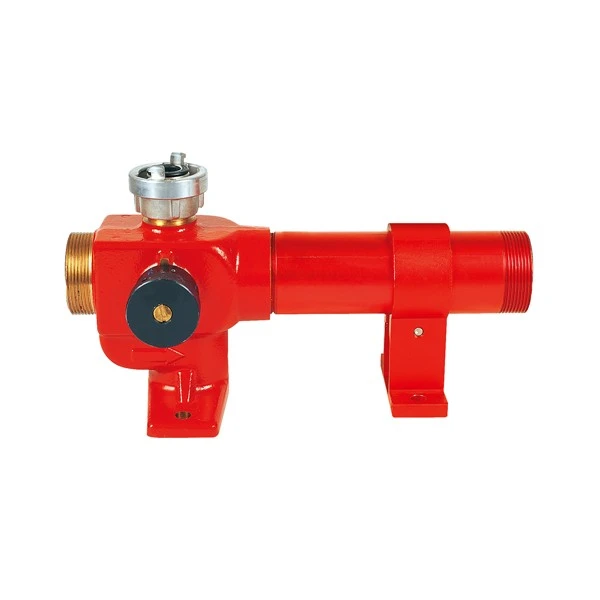
The design of the nozzle itself can have a big impact on efficiency. Modern fire hose nozzles are designed with advanced features to optimize water flow and distribution. Some nozzles have adjustable settings, allowing firefighters to change the spray pattern and pressure according to the situation. Others are made with special materials that can withstand high temperatures and corrosion. For instance, our Foam Inductor is a great example of an innovative design. It can mix water with foam to create a more effective fire - extinguishing agent. The foam helps to smother the fire and prevent re - ignition.
Different Types of Fire Hose Nozzles and Their Efficiency
Fire Hydrant Nozzle
The Fire Hydrant Nozzle is a common type of nozzle used in fire - fighting. It's usually connected to a fire hydrant and can deliver a large volume of water at high pressure. These nozzles are often used for large - scale fires, such as building fires or wildfires. They are designed to be durable and reliable, with a simple yet effective design. However, they can be a bit bulky and might not be as maneuverable as some other types of nozzles. But when it comes to getting a large amount of water on the fire quickly, they're hard to beat.

Water Spray Nozzle
The Water Spray Nozzle is another popular option. It's typically used for smaller fires or for protecting areas from fire. Water spray nozzles can create a fine mist of water, which is great for cooling and suppressing fires. They are often used in industrial settings, such as factories or warehouses, where there is a risk of fire but the fire might not be as large or intense as a building fire. These nozzles are also more lightweight and easier to handle than fire hydrant nozzles.
Measuring Nozzle Efficiency
So, how do we measure the efficiency of a fire hose nozzle? There are a few key metrics. One is the flow rate, which is the amount of water that the nozzle can deliver per minute. A higher flow rate generally means that more water can be applied to the fire, which can increase the chances of extinguishing it quickly. Another metric is the throw distance, which is how far the water can be projected from the nozzle. A longer throw distance is useful for reaching fires that are far away or in hard - to - reach places.
We also look at the droplet size distribution in the spray pattern. Smaller droplets are better at cooling the air and reducing the heat, while larger droplets are better at penetrating the fire and cooling the fuel. A good fire hose nozzle should be able to create a balanced distribution of droplet sizes for maximum efficiency.
Real - World Examples of Nozzle Efficiency
Let me share a real - world example. A few years back, there was a warehouse fire in a nearby town. The firefighters were using our fire hydrant nozzles, and they were able to quickly get a large volume of water on the fire. The high - pressure straight - stream pattern allowed them to penetrate through the burning debris and reach the source of the fire. Thanks to the efficiency of the nozzles, they were able to contain the fire within a short period and prevent it from spreading to other buildings in the area.
On the other hand, in a small apartment fire, the firefighters used our water spray nozzles. The fog pattern created a fine mist that quickly cooled the air and suppressed the flames. The lightweight design of the nozzles made it easy for the firefighters to move around the small space and target the fire from different angles.
Conclusion
In conclusion, the efficiency of a fire hose nozzle is determined by a combination of factors, including water pressure, spray pattern, and nozzle design. Different types of nozzles are suitable for different types of fires, and it's important to choose the right one for the job. As a fire hose nozzle supplier, we're constantly working on improving our products to make them more efficient and reliable.
If you're in the market for fire hose nozzles, whether it's for a fire department, an industrial facility, or a commercial building, we'd love to talk to you. We can help you choose the right nozzles for your specific needs and ensure that you're getting the most efficient fire - fighting equipment possible. Reach out to us to start a conversation about your fire - fighting requirements.
References
- Fire Protection Handbook, National Fire Protection Association
- Fire - Fighting Systems and Equipment, Elsevier


