


Hey there! As a supplier of Fire Hydrant Landing Valve, I've dealt with all sorts of questions and issues regarding these crucial firefighting components. One topic that often comes up is the impact of air in the water on a Fire Hydrant Landing Valve. So, let's dive right in and explore this phenomenon.
First off, it's important to understand that air in water is a common occurrence. Water systems, especially those used for firefighting, can trap air for various reasons. When water is pumped through pipes, air can get mixed in during the filling process, or it can enter through leaks in the system. Even changes in water pressure can cause air to dissolve and then come out of solution.
Now, let's talk about how this air affects a Fire Hydrant Landing Valve. One of the most immediate impacts is on the valve's operation. When there's air in the water, it can create pockets of compressible gas within the valve. This means that when you try to open or close the valve, the air can act like a cushion, making the valve feel spongy or unresponsive. You might find that you have to apply more force to get the valve to move, and it may not close or open as smoothly as it should.
This spongy operation can be a real problem during a fire emergency. Firefighters rely on these valves to quickly and efficiently control the flow of water. If the valve is difficult to operate due to air in the water, it can delay the delivery of water to the fire, potentially putting lives and property at risk.
Another issue is related to the valve's sealing. A properly functioning Fire Hydrant Landing Valve needs to form a tight seal to prevent water from leaking out when it's closed. However, air in the water can interfere with this sealing process. The air bubbles can get trapped between the valve seat and the valve disc, preventing a complete seal. This can lead to small leaks, which not only waste water but can also cause corrosion and damage to the valve over time.
Over time, the presence of air in the water can also cause wear and tear on the valve components. As the valve opens and closes, the air bubbles can cause cavitation. Cavitation is a phenomenon where the air bubbles collapse, creating tiny shockwaves that can erode the valve's internal surfaces. This can weaken the valve and reduce its lifespan, meaning you'll have to replace the valve more frequently.
But it's not all doom and gloom. There are ways to mitigate the impact of air in the water on a Fire Hydrant Landing Valve. One common solution is to install air release valves in the water system. These valves are designed to automatically release air from the water as it flows through the system. By removing the air before it reaches the Fire Hydrant Landing Valve, you can improve the valve's operation and reduce the risk of damage.
Regular maintenance is also crucial. You should inspect your Fire Hydrant Landing Valves regularly to check for signs of air-related issues, such as spongy operation or leaks. If you notice any problems, you can take steps to address them before they become more serious. This might involve bleeding the air out of the system or replacing damaged valve components.
As a supplier of Fire Hydrant Landing Valve, I can tell you that we take these issues seriously. We design our valves to be as resilient as possible to the effects of air in the water. Our valves are made from high-quality materials that can withstand the wear and tear caused by cavitation and corrosion. And we offer comprehensive support and maintenance services to ensure that your valves are always in top condition.
If you're in the market for a reliable Fire Hydrant Landing Valve, you might also be interested in our Fire Hydrant Gate Valve and Hydrant Valve. These valves are also essential components of a fire protection system, and they're designed to work seamlessly with our Fire Hydrant Landing Valves.
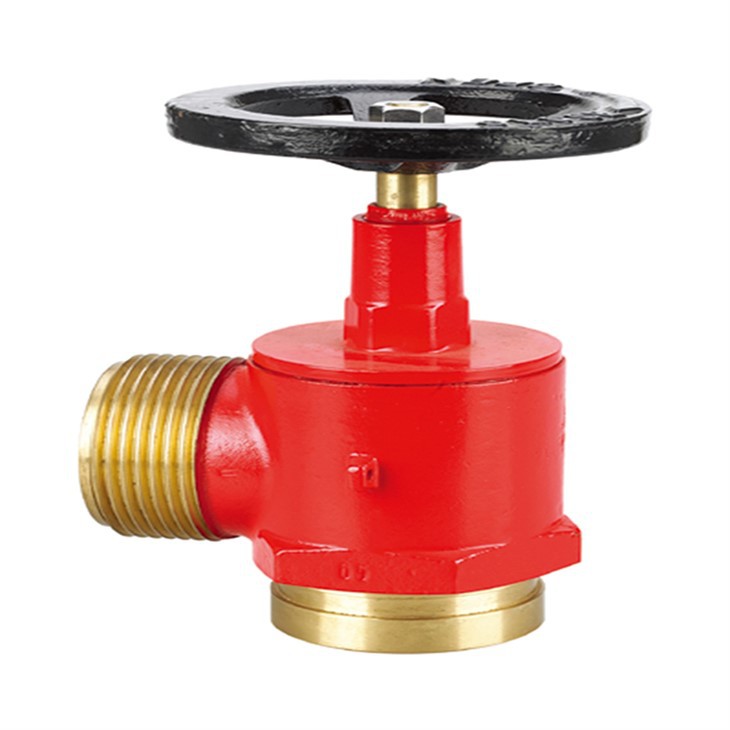

So, if you're looking for high-quality, reliable fire hydrant valves, don't hesitate to get in touch. We're here to help you find the right solutions for your fire protection needs. Whether you're a building owner, a contractor, or a firefighting department, we have the expertise and products to meet your requirements. Let's work together to keep your property and community safe from fire.
References
- NFPA 25: Standard for the Inspection, Testing, and Maintenance of Water-Based Fire Protection Systems
- AWWA C509: Standard for Butterfly Valves for Waterworks Service
- Various industry research papers on the effects of air in water on valve operation and performance


