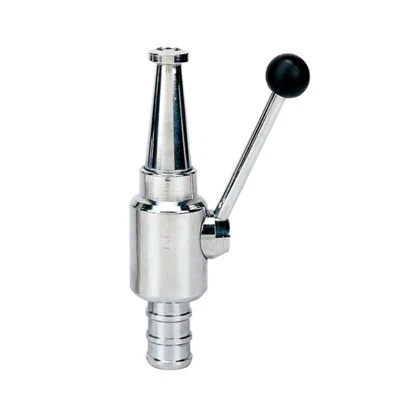
Hey there! As a supplier of Fire Hydrant Landing Valves, I often get asked about the emergency operation method for these crucial firefighting tools. In this blog, I'll break down the steps and share some key insights to help you understand how to use a fire hydrant landing valve effectively in an emergency.
Understanding the Fire Hydrant Landing Valve
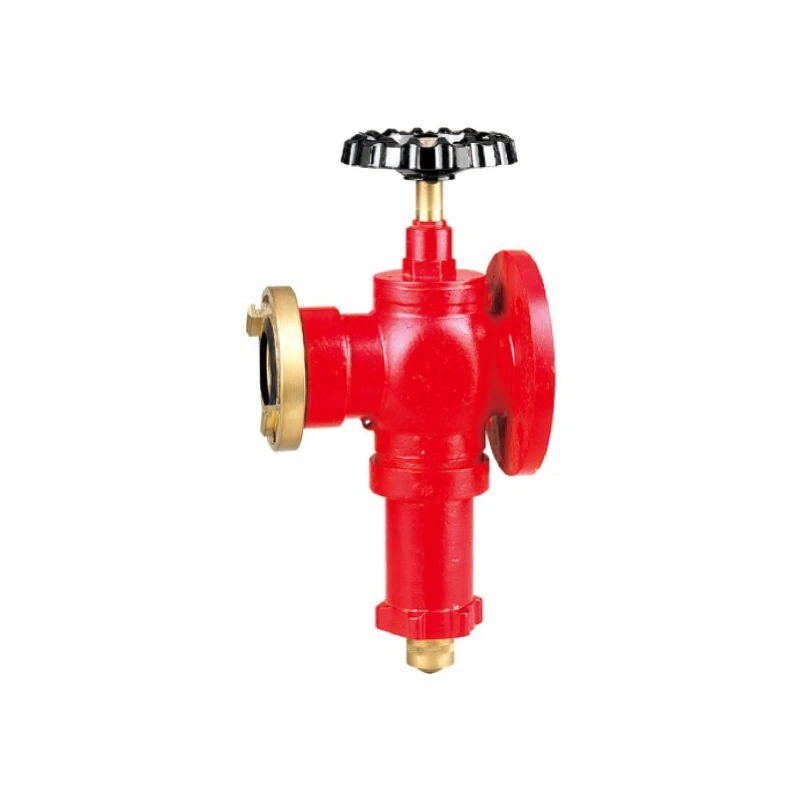
First things first, let's talk about what a fire hydrant landing valve is. It's a vital part of a building's fire protection system. This valve is usually installed on each floor of a building and is connected to the main fire - fighting water supply. When there's a fire, the landing valve allows firefighters or building occupants to access water to extinguish the flames.
Our company offers a variety of landing valves, such as the Fire Hydrant Oblique Landing Valve Female Thread For Fire Fighting. This type of valve is designed with a female thread, which makes it easy to connect hoses quickly. Another great option is the Bronze Bib - Nosed Landing Valve, known for its durability and reliable performance.
Emergency Operation Steps
Step 1: Locate the Landing Valve
The first step in an emergency is to find the fire hydrant landing valve. In most buildings, these valves are clearly marked and located in easily accessible areas, like stairwells or corridors. It's important for building occupants to know the location of these valves in advance, so they can act quickly in case of a fire.
Step 2: Check the Valve Status
Before opening the valve, you need to check its status. Make sure the valve is in good condition and there are no visible signs of damage or leakage. If you notice any issues, don't try to operate the valve. Instead, inform the relevant authorities immediately.
Step 3: Connect the Hose
Once you've confirmed that the valve is in working condition, it's time to connect the hose. Our landing valves are designed to be compatible with standard fire hoses. Simply attach the hose to the valve outlet, making sure it's tightly secured. You can use a wrench to ensure a proper connection if needed.
Step 4: Open the Valve
After the hose is connected, it's time to open the landing valve. Most landing valves have a handwheel or a lever. To open the valve, turn the handwheel clockwise (for some valves) or lift the lever, depending on the valve design. As you open the valve, water will start flowing through the hose.
Step 5: Control the Water Flow
Once the water is flowing, you need to control the water flow according to the situation. You can adjust the valve to increase or decrease the water pressure. This is important because different fires require different amounts of water. For example, a small fire may need less water, while a large fire may require a higher flow rate.
Step 6: Direct the Water
Finally, direct the water at the base of the fire. This is the most effective way to extinguish the flames. Keep the hose steady and aim the water at the source of the fire. Move the hose from side to side if necessary to cover a larger area.
Safety Precautions
When operating a fire hydrant landing valve, safety should always be your top priority. Here are some safety tips to keep in mind:
- Wear Protective Gear: Always wear appropriate protective gear, such as gloves and goggles, to protect yourself from water splashes and other hazards.
- Avoid Standing in the Path of Water: Water coming out of the hose can have a high pressure. Make sure you stand to the side to avoid being knocked down by the water.
- Do Not Over - Open the Valve: Over - opening the valve can cause excessive water pressure, which may damage the hose or the valve itself.
The Role of Pressure - Regulating Valves
In some cases, it's necessary to use a pressure - regulating valve to control the water pressure. Our Storz Pressure Regulating Valve(PRV) is a great option for this purpose. This valve can automatically adjust the water pressure to a safe and effective level, ensuring that the water flow is consistent and reliable.
Conclusion
In conclusion, knowing the emergency operation method for a fire hydrant landing valve is crucial for effective fire protection. By following the steps outlined in this blog, you can ensure that you're prepared to handle a fire emergency. Whether you're a building owner, a firefighter, or just someone who wants to be more prepared, our high - quality landing valves and accessories can help you stay safe.

If you're interested in purchasing fire hydrant landing valves or related products, feel free to contact us for more information. We're here to help you find the right solutions for your fire protection needs.
References
- National Fire Protection Association (NFPA) standards on fire hydrant systems
- Fire safety manuals and guidelines provided by local fire departments