In the dynamic field of fire protection, the evolution of fire hydrant nozzles has been significant. Over the years, new technologies have been emerging, transforming the way we approach fire - fighting operations. As a fire hydrant nozzle supplier, I've witnessed firsthand the remarkable advancements that have taken place.
Traditional Fire Hydrant Nozzles
To understand the new technologies, we first need to look at the traditional fire hydrant nozzles. These nozzles were typically simple in design, with fixed spray patterns and limited adjustability. They were mainly used to deliver a stream of water to the fire source. The most common types were the solid - stream nozzles, which provided a concentrated jet of water, and the fog nozzles, which dispersed water in a fine mist.
Solid - stream nozzles were effective for reaching fires at a distance or extinguishing fires that required a high - pressure, concentrated water flow. They were often used in industrial settings where large fires with high heat intensities needed to be tackled. Fog nozzles, on the other hand, were useful for cooling the surrounding area, reducing smoke, and protecting firefighters from radiant heat. They were commonly used in residential and commercial buildings.
However, traditional nozzles had their limitations. The fixed spray patterns meant that firefighters had to carry multiple nozzles to handle different fire scenarios. Also, the lack of precise control over the water flow and pressure made it difficult to optimize water usage, leading to potential water wastage.
New Technologies in Fire Hydrant Nozzles
Adjustable Spray Patterns
One of the most notable new technologies is the development of nozzles with adjustable spray patterns. These nozzles allow firefighters to switch between different spray modes, such as solid - stream, fog, and cone - shaped sprays, with a simple adjustment. This versatility is a game - changer in fire - fighting operations. For example, in a large warehouse fire, firefighters can start with a solid - stream to penetrate deep into the fire and reach hidden flames. As the fire is brought under control, they can switch to a fog pattern to cool the area and prevent re - ignition.
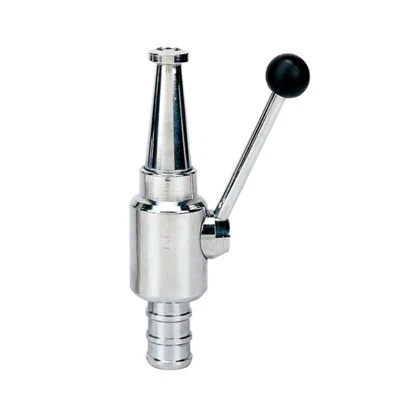
Our Jet Spray Nakajima Branchpipe is a great example of a nozzle with adjustable spray patterns. It offers a wide range of spray settings, enabling firefighters to adapt to various fire situations quickly and effectively.
Variable Flow Control
Another significant advancement is the ability to control the water flow precisely. New fire hydrant nozzles are equipped with flow - control valves that allow firefighters to regulate the volume of water being discharged. This is crucial for optimizing water usage, especially in areas where water resources are limited or when dealing with delicate environments where excessive water can cause further damage.
With variable flow control, firefighters can start with a lower flow rate to assess the situation and gradually increase it as needed. This not only saves water but also ensures that the fire is extinguished efficiently. The High - Flow Jet And Spray Firefighting Nozzle is designed with this advanced flow - control technology, providing precise control over the water flow in different fire - fighting scenarios.
Lightweight and Durable Materials
The use of new materials in fire hydrant nozzles has also revolutionized the industry. Traditional nozzles were often made of heavy metals, which made them cumbersome to handle, especially during long - duration fire - fighting operations. In contrast, modern nozzles are made from lightweight yet durable materials such as high - strength plastics and composite materials.
These materials reduce the weight of the nozzles without compromising on their strength and performance. For instance, the Red Plastic Spray Fire Hose Nozzle For Fire Fighting is made from a special type of plastic that is resistant to heat, chemicals, and wear. This makes it suitable for a wide range of fire - fighting applications, while also being easy to carry and maneuver.
Smart Nozzles
The integration of smart technologies into fire hydrant nozzles is an exciting development. Smart nozzles are equipped with sensors and control systems that can monitor and adjust various parameters in real - time. For example, they can measure the water pressure, flow rate, and temperature at the nozzle tip. Based on this information, the nozzle can automatically adjust the spray pattern and flow rate to optimize fire - fighting performance.


Some smart nozzles can also communicate with other fire - fighting equipment and systems, such as fire trucks and fire alarms. This allows for better coordination and more efficient use of resources during fire - fighting operations. Although still in the early stages of development, smart nozzles have the potential to transform the fire - protection industry in the coming years.
Benefits of New Technologies in Fire Hydrant Nozzles
The new technologies in fire hydrant nozzles offer several benefits. Firstly, they enhance the safety of firefighters. With adjustable spray patterns and variable flow control, firefighters can better protect themselves from the fire and reduce the risk of injury. Secondly, these technologies improve the efficiency of fire - fighting operations. By being able to adapt to different fire scenarios quickly, more flames can be extinguished in a shorter period.
Thirdly, the use of new materials and smart technologies reduces the overall cost of fire - protection systems. Lightweight nozzles are easier to transport and maintain, while smart nozzles can optimize water usage and reduce wear and tear on equipment. Finally, the environmental impact is reduced. By using water more efficiently, less water is wasted, and the potential damage to the surrounding environment is minimized.
Conclusion
As a fire hydrant nozzle supplier, I'm excited about the new technologies that are shaping the future of fire - fighting. The advancements in adjustable spray patterns, variable flow control, lightweight materials, and smart technologies are making fire hydrant nozzles more effective, efficient, and user - friendly.
If you're in the market for high - quality fire hydrant nozzles that incorporate the latest technologies, we'd love to hear from you. Whether you're a fire department, a building owner, or an industrial facility manager, our range of fire hydrant nozzles can meet your needs. Contact us to start a discussion about your fire - protection requirements and explore how our products can help you better safeguard lives and property.
References
- Brown, J. (2022). Advances in Fire - Fighting Technologies. Fire Protection Journal.
- Green, A. (2021). New Materials for Fire Hydrant Nozzles. Journal of Fire Safety Engineering.
- Smith, R. (2020). Smart Fire - Fighting Equipment: The Future of Fire Protection. International Journal of Fire Science.