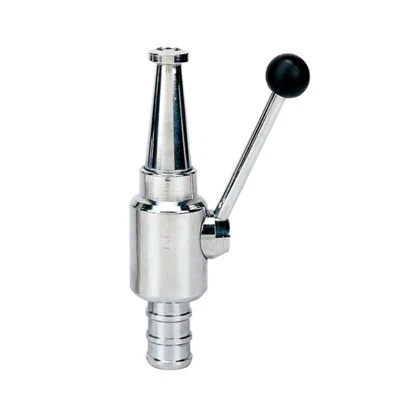
Hey there! As a supplier of water fire extinguishers, I often get asked whether a water fire extinguisher can be used outdoors. Well, the answer isn't a simple yes or no. It depends on a bunch of factors, and I'm here to break it all down for you.
First off, let's talk about how water fire extinguishers work. They're pretty straightforward. Water cools down the fire and takes away the heat, which is one of the three elements in the fire triangle (the other two being oxygen and fuel). When you spray water on a fire, it absorbs the heat energy, and if you do it right, it can put out the flames.
Now, there are some scenarios where using a water fire extinguisher outdoors is a great idea. For instance, if you're dealing with a fire that's caused by ordinary combustibles like wood, paper, or cloth. These are known as Class A fires. Outdoors, you might encounter these types of fires in a campfire that has gotten out of control, or a small fire in a pile of leaves or branches. In these cases, a water fire extinguisher can be really effective. The water can quickly cool down the burning materials and stop the fire from spreading.

One of the big advantages of using a water fire extinguisher outdoors is that water is a natural and readily available extinguishing agent. It's non - toxic and doesn't leave behind any harmful residues. So, if you're in an outdoor environment where you don't want to contaminate the area with chemicals, a water fire extinguisher is a great choice.
But here's the thing, there are also situations where using a water fire extinguisher outdoors is a no - go. One of the major limitations is when dealing with electrical fires. Water is a conductor of electricity, and if you use a water fire extinguisher on an electrical fire, you could end up getting electrocuted. Outdoors, you might come across electrical fires in things like power tools, outdoor electrical panels, or even downed power lines. In these cases, you need to use a fire extinguisher that's specifically designed for electrical fires, like a dry chemical or CO2 extinguisher.
Another type of fire where a water fire extinguisher won't work is a Class B fire, which involves flammable liquids such as gasoline, oil, or paint. Water and oil don't mix, and if you try to put out a flammable liquid fire with water, the water will just sink to the bottom and the fire will keep burning on top. In fact, it can even cause the fire to spread as the water might splash the burning liquid around.
Weather conditions also play a huge role in whether you can use a water fire extinguisher outdoors. If it's really windy, the water spray from the extinguisher might get blown away before it can reach the fire. This means you won't be able to effectively cool down the burning materials. On the other hand, if it's extremely cold, the water in the extinguisher could freeze, rendering it useless.
Now, let's talk about the practicality of using a water fire extinguisher outdoors. The size of the extinguisher matters. If you're dealing with a large outdoor fire, a small household water fire extinguisher might not be enough. You need to have a bigger, more powerful extinguisher that can hold more water and provide a longer spray time.
As a water fire extinguisher supplier, I've seen firsthand how important it is to choose the right extinguisher for the job. That's why we offer a wide range of Water Type Fire Extinguisher options, from small portable ones for home use to large commercial - grade extinguishers for industrial outdoor settings.
If you're thinking about using a water fire extinguisher outdoors, here are some tips. First, make sure you know what type of fire you're dealing with. Read the labels on the extinguisher to understand its limitations. Second, always follow the proper operating procedures. Most water fire extinguishers have an easy - to - follow PASS method: Pull the pin, Aim at the base of the fire, Squeeze the handle, and Sweep from side to side.
In conclusion, a water fire extinguisher can be used outdoors in certain situations, especially for Class A fires. But you need to be aware of its limitations, such as not using it on electrical or flammable liquid fires, and taking into account the weather conditions.
If you're in the market for a water fire extinguisher for your outdoor needs, whether it's for your home, business, or industrial site, I'd love to talk to you. We can discuss your specific requirements and find the perfect water fire extinguisher for you. Reach out to us to start the conversation about your fire safety needs.
References
- National Fire Protection Association (NFPA) standards on fire extinguishers
- Fire safety training materials from recognized institutions