Hey there! As a fire hose reel supplier, I've seen my fair share of dirty and debris - filled fire hose reels. Keeping these essential safety tools clean is super important, not just for their appearance but for their functionality too. In this blog, I'll walk you through how to remove dirt and debris from a fire hose reel.
First off, let's talk about why it's so crucial to keep your fire hose reel clean. A dirty fire hose reel can lead to all sorts of problems. Dirt and debris can clog the hose, reducing water flow when you need it most. They can also cause wear and tear on the reel mechanism, making it harder to deploy the hose quickly in an emergency. And let's not forget about the potential for corrosion. If dirt and moisture are left on the metal parts of the reel, it can lead to rust and other forms of corrosion, which can seriously compromise the integrity of the reel.
Now, let's get into the nitty - gritty of how to clean a fire hose reel.
Step 1: Preparation
Before you start cleaning, you need to gather your supplies. You'll need a mild detergent, a soft - bristled brush (like a toothbrush or a small scrub brush), a bucket of warm water, a clean cloth, and some gloves to protect your hands. It's also a good idea to have a ladder on hand if your fire hose reel is mounted high up.

Step 2: Shut Off the Water Supply
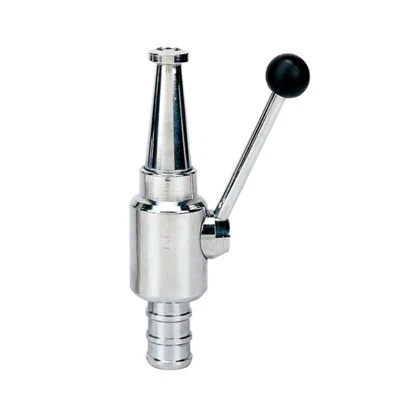
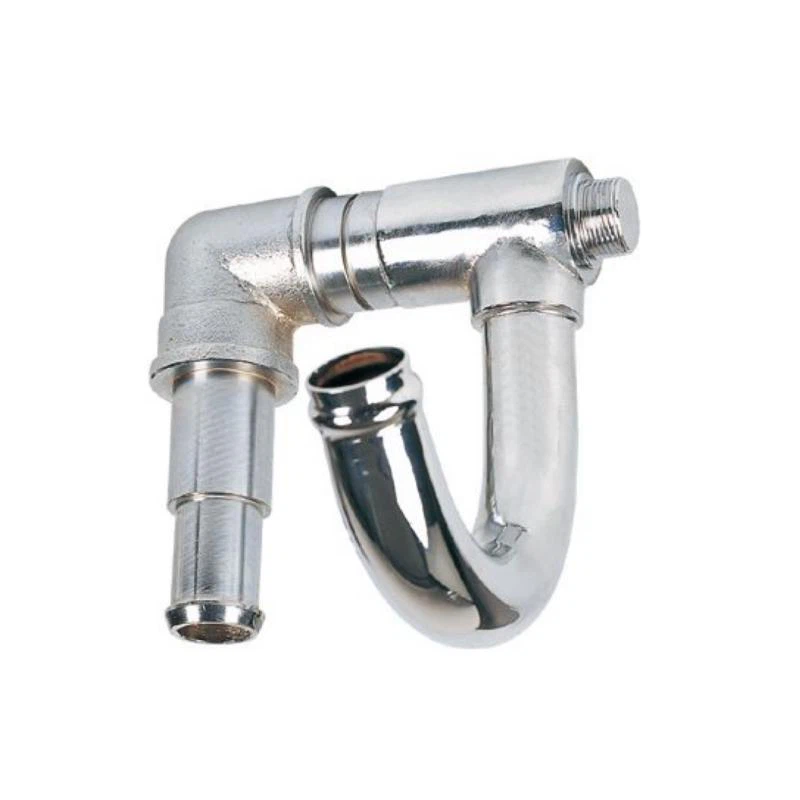
This is a no - brainer but extremely important. You don't want water spraying everywhere while you're cleaning. Locate the valve that controls the water supply to the fire hose reel and turn it off. If your fire hose reel has a Brass Manual Control Valve For Hose Reel, make sure it's in the closed position.
Step 3: Inspect the Reel
Take a good look at the fire hose reel before you start cleaning. Check for any visible signs of damage, like cracks in the hose or problems with the reel mechanism. If you notice anything serious, it's best to call in a professional for repairs. Also, look for any large pieces of debris that you can remove by hand.
Step 4: Clean the Reel Housing
The housing of the fire hose reel is where a lot of dirt and dust can accumulate. Dip your soft - bristled brush into the bucket of warm, soapy water and start scrubbing the housing. Pay special attention to the corners and crevices where dirt likes to hide. Be gentle, though, so you don't scratch the surface. After you've scrubbed the entire housing, use a clean cloth to wipe away the soapy water.
Step 5: Clean the Hose
The hose is the most critical part of the fire hose reel, and it needs to be clean to work properly. Unroll the hose carefully and lay it out on a flat surface. You can use the same soapy water and brush to clean the outside of the hose. Make sure to get rid of any mud, dirt, or other debris that's stuck to the surface. For stubborn stains, you might need to let the soapy water soak on the stain for a few minutes before scrubbing again.
If you have a Fixed and Manual Hose Reel, you may need to take extra care when handling the hose to avoid damaging the reel mechanism. Once you've cleaned the outside of the hose, rinse it thoroughly with clean water to remove all the soap.
Step 6: Flush the Hose
Flushing the hose is an important step to remove any dirt or debris that might be inside. Reconnect the hose to the water supply and turn on the valve slightly. Let the water run through the hose for a few minutes to flush out any remaining dirt. Make sure to hold the end of the hose firmly so it doesn't whip around. If you notice that the water coming out is dirty, keep flushing until the water runs clear.
Step 7: Clean the Reel Mechanism
The reel mechanism needs to be clean and well - lubricated to work smoothly. Use a small amount of the soapy water and your soft - bristled brush to clean the gears, handles, and other moving parts of the reel. Be careful not to get too much water on the mechanism, as this can cause rust. After cleaning, dry the parts thoroughly with a clean cloth. You may also want to apply a small amount of lubricant to the moving parts to keep them working smoothly.
Step 8: Re - roll the Hose
Once the hose is clean and dry, carefully re - roll it onto the reel. Make sure the hose is rolled evenly and tightly so it doesn't get tangled. If your fire hose reel has a Manual Fire Hose Reel Valve With Corrosion Resistant, make sure it's in the correct position before you start rolling.
Step 9: Final Inspection
After you've finished cleaning and re - rolling the hose, do a final inspection of the fire hose reel. Check that everything is in working order, the hose is properly rolled, and there are no signs of dirt or debris left. If everything looks good, turn the water supply back on and test the reel to make sure it's working properly.
Tips and Tricks
- Regular cleaning is key. Try to clean your fire hose reel at least once a year, or more often if it's in a dirty or dusty environment.
- If you live in an area with hard water, you may need to use a descaling agent to remove mineral deposits from the hose and reel.
- Always follow the manufacturer's instructions when cleaning and maintaining your fire hose reel.
As a fire hose reel supplier, I understand the importance of having a clean and well - maintained fire hose reel. It's not just about complying with safety regulations; it's about ensuring that your fire hose reel will work when you need it most. If you're in the market for a new fire hose reel or need replacement parts, don't hesitate to reach out. We offer a wide range of high - quality fire hose reels and accessories to meet your needs. Whether you're looking for a Fixed and Manual Hose Reel, a Brass Manual Control Valve For Hose Reel, or a Manual Fire Hose Reel Valve With Corrosion Resistant, we've got you covered.
Contact us today to discuss your requirements and start a conversation about how we can help you keep your premises safe.
References
- NFPA 1962: Standard for the Care, Use, Inspection, Service Testing, and Replacement of Fire Hose, Couplings, Nozzles, and Fire Hose Appliances
- Manufacturer's manuals for fire hose reels and related accessories