What are the international standards for fire hydrant nozzles?
As a supplier of fire hydrant nozzles, I understand the critical importance of adhering to international standards in the production and distribution of these life - saving devices. Fire hydrant nozzles play a pivotal role in fire - fighting operations, and their performance can significantly impact the outcome of a fire emergency. In this blog, we will explore the international standards that govern fire hydrant nozzles, ensuring their safety, reliability, and effectiveness.
1. ISO Standards
The International Organization for Standardization (ISO) has developed a series of standards related to fire - fighting equipment, including fire hydrant nozzles. ISO 6945:2012 specifies the requirements and test methods for fire - fighting nozzles for use with fire hoses. This standard covers a wide range of nozzles, from smooth - bore nozzles to fog nozzles.
One of the key aspects of ISO 6945 is the flow rate and pressure requirements. The standard defines the minimum and maximum flow rates that a fire hydrant nozzle should be able to achieve at different operating pressures. This ensures that the nozzle can deliver an adequate amount of water to extinguish fires effectively. For example, a smooth - bore nozzle might have a specific flow rate range based on its diameter, and the ISO standard ensures that manufacturers adhere to these specifications.
ISO also addresses the durability and mechanical properties of fire hydrant nozzles. The nozzles must be able to withstand the high pressures and forces associated with fire - fighting operations. They should be resistant to corrosion, wear, and impact. ISO 6945 includes tests for these properties, such as salt - spray tests to evaluate corrosion resistance and drop tests to assess impact resistance.
2. NFPA Standards
The National Fire Protection Association (NFPA) in the United States is another major authority on fire - safety standards. NFPA 1963:2019 covers the standard for fire hose couplings and adapters, which are closely related to fire hydrant nozzles. This standard ensures that the connections between the nozzle and the fire hose are secure and leak - free.
NFPA also has standards for different types of fire nozzles. For instance, NFPA 11:2018 provides guidelines for low - expansion foam nozzles. These nozzles are used in situations where foam is required to suppress fires, such as those involving flammable liquids. The standard specifies the design, performance, and testing requirements for these specialized nozzles.
In addition to performance requirements, NFPA standards also focus on the labeling and marking of fire hydrant nozzles. Each nozzle should be clearly marked with information such as its type, flow rate, and operating pressure. This helps firefighters quickly identify the appropriate nozzle for a given situation and ensures that they use the nozzle correctly.
3. EN Standards
In Europe, the European Committee for Standardization (CEN) has developed a set of standards known as EN standards for fire - fighting equipment. EN 1567:2019 is the standard for fire - fighting nozzles for use with fire hoses. Similar to ISO and NFPA standards, EN 1567 defines the technical requirements for fire hydrant nozzles, including their dimensions, flow characteristics, and mechanical properties.
One of the unique features of EN standards is the emphasis on environmental considerations. The materials used in the manufacturing of fire hydrant nozzles should be environmentally friendly and recyclable. This reflects the growing global concern for sustainable development in all industries, including the fire - protection sector.
EN standards also require that fire hydrant nozzles undergo regular inspections and maintenance. This ensures that the nozzles remain in good working condition over their service life. The standard provides guidelines on the frequency and scope of these inspections, as well as the procedures for any necessary repairs or replacements.
4. Our Product Range and Compliance
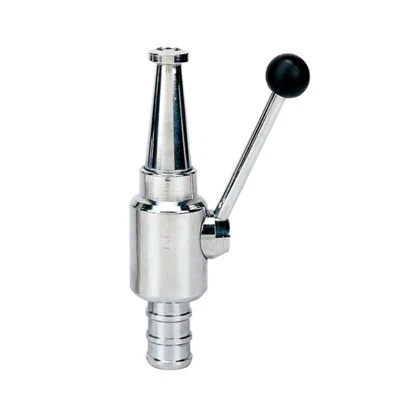
As a fire hydrant nozzle supplier, we are committed to meeting and exceeding these international standards. Our product range includes a variety of nozzles, such as Water Spray Nozzle, Brass Ball Valve Nozzle Fire Fighting Hose Reel Nozzle With Handle, and Branchpipe Nozzle.
All of our nozzles are manufactured using high - quality materials that meet the corrosion and durability requirements of ISO, NFPA, and EN standards. We conduct rigorous in - house testing to ensure that each nozzle meets the specified flow rates, pressures, and mechanical properties. Our production processes are also designed to minimize environmental impact, in line with the EN standards' environmental considerations.
We understand that different customers may have different requirements based on their specific fire - protection needs. Whether it's a small - scale industrial facility or a large commercial building, we can provide customized solutions. Our team of experts can help you select the most appropriate fire hydrant nozzle for your situation, taking into account factors such as the type of fire risk, the available water supply, and the layout of the building.
5. Importance of Compliance
Compliance with international standards is not just a legal requirement; it is also essential for the safety and effectiveness of fire - fighting operations. Firefighters rely on fire hydrant nozzles to perform their duties, and non - compliant nozzles can put their lives at risk. A nozzle that fails to deliver the required flow rate or pressure may not be able to extinguish a fire, leading to property damage and potential loss of life.
Moreover, using compliant fire hydrant nozzles can also help building owners and facility managers meet their fire - safety obligations. Insurance companies often require that fire - protection systems, including fire hydrant nozzles, meet recognized international standards. Non - compliance can result in higher insurance premiums or even the denial of insurance coverage.


6. Contact Us for Procurement
If you are in the market for high - quality fire hydrant nozzles that meet international standards, we invite you to contact us for procurement. Our experienced sales team can provide you with detailed product information, pricing, and delivery options. We are dedicated to providing excellent customer service and ensuring that you get the best fire - protection solutions for your needs.
Whether you are a fire - protection contractor, a building owner, or a facility manager, we are here to assist you. We can also offer technical support and advice on the installation, maintenance, and use of our fire hydrant nozzles. Don't compromise on fire safety; choose our compliant and reliable fire hydrant nozzles for your next project.
References
- ISO 6945:2012, Fire - fighting nozzles for use with fire hoses - Requirements and test methods.
- NFPA 1963:2019, Standard for Fire Hose Couplings and Adapters.
- NFPA 11:2018, Standard for Low - Expansion Foam.
- EN 1567:2019, Fire - fighting nozzles for use with fire hoses.